Azerbaijan.US
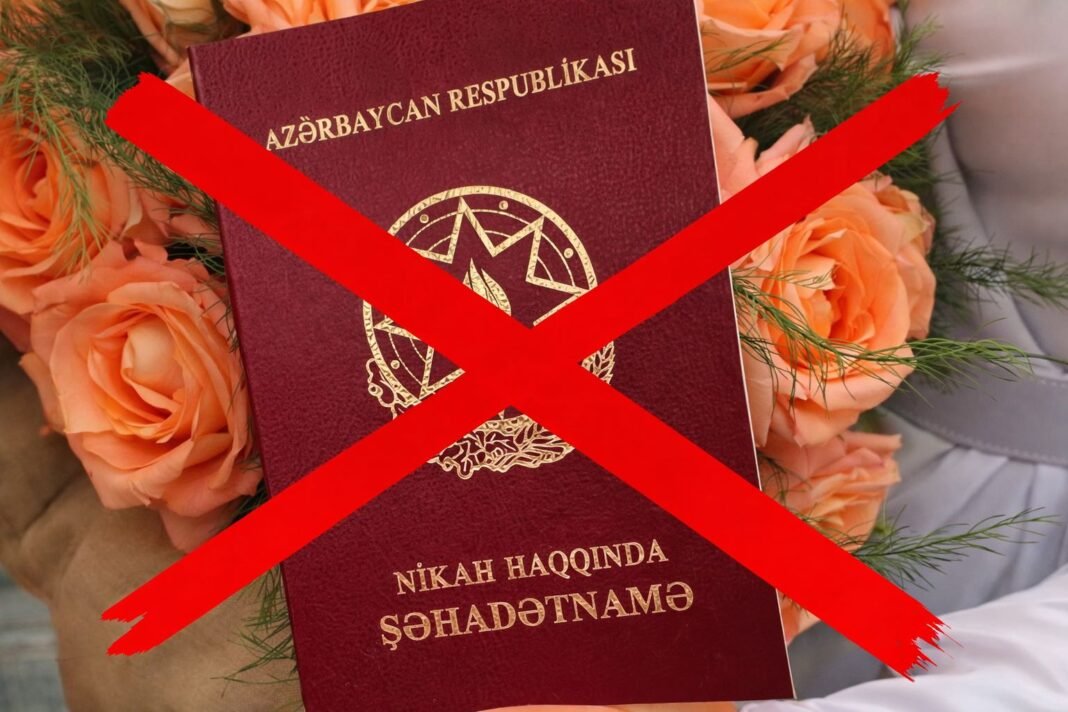
An increasing number of couples in Azerbaijan are choosing to live together without officially registering their marriage, a trend that experts say reflects shifting social attitudes, economic pressures, and changing views on family responsibility.
Specialists note that many couples now prefer to test their relationship before making a formal legal commitment. If the partnership proves stable, they proceed with marriage; if not, they separate without appearing in divorce statistics. As a result, the number of registered divorces may appear lower than the actual number of relationship breakdowns.
Changing attitudes toward marriage
Sociologists and psychologists link the rise in unregistered partnerships to a broader transformation in how younger generations view marriage. For many, marriage is no longer seen as a mandatory life step, but as a decision that requires emotional readiness, financial stability, and mutual confidence.
Some experts also point to the influence of global culture, social media, and modern lifestyles. Informal partnerships are often perceived as more flexible and less burdensome, particularly by those who are wary of long-term legal and parental responsibilities.
At the same time, public opinion remains divided. Surveys reveal a clear generational gap: while some view unregistered cohabitation as a healthier way to build a relationship, others see it as a challenge to traditional family values.
Pros, cons, and social impact
Psychologists emphasize that informal unions have both advantages and drawbacks. On the positive side, partners may gain a deeper understanding of each other before committing to marriage. On the negative side, the absence of legal obligations can weaken accountability, especially in matters related to children and long-term stability.
Experts also warn of demographic consequences. A weaker attachment to formal family structures, they argue, may contribute to declining birth rates.
According to official data, just over 80,000 children were born in the country during the first ten months of last year. By the end of the current year, the figure is expected to reach around 95,000 – potentially marking the lowest annual birth rate since independence.
Looking ahead
Specialists agree that the growing prevalence of unregistered partnerships requires a balanced public and legal discussion. While social norms are evolving, many argue that family formation should still be grounded in clear legal frameworks to ensure responsibility and protection for all parties involved.
At the same time, analysts stress that the trend reflects deeper social changes that cannot be ignored – particularly among younger generations navigating uncertainty in both economic and personal life.