Azerbaijan.US
Rising prices in Azerbaijan are not the result of market forces or global trends, but of domestic policy choices that suppress competition, according to economist Natig Jafarli.
As social and economic pressures intensify, Jafarli argues, everyday costs – fuel, food, and basic services – have become the primary concern for most citizens. In this context, price hikes are felt more sharply and provoke growing public frustration.
Fuel prices defy global trends
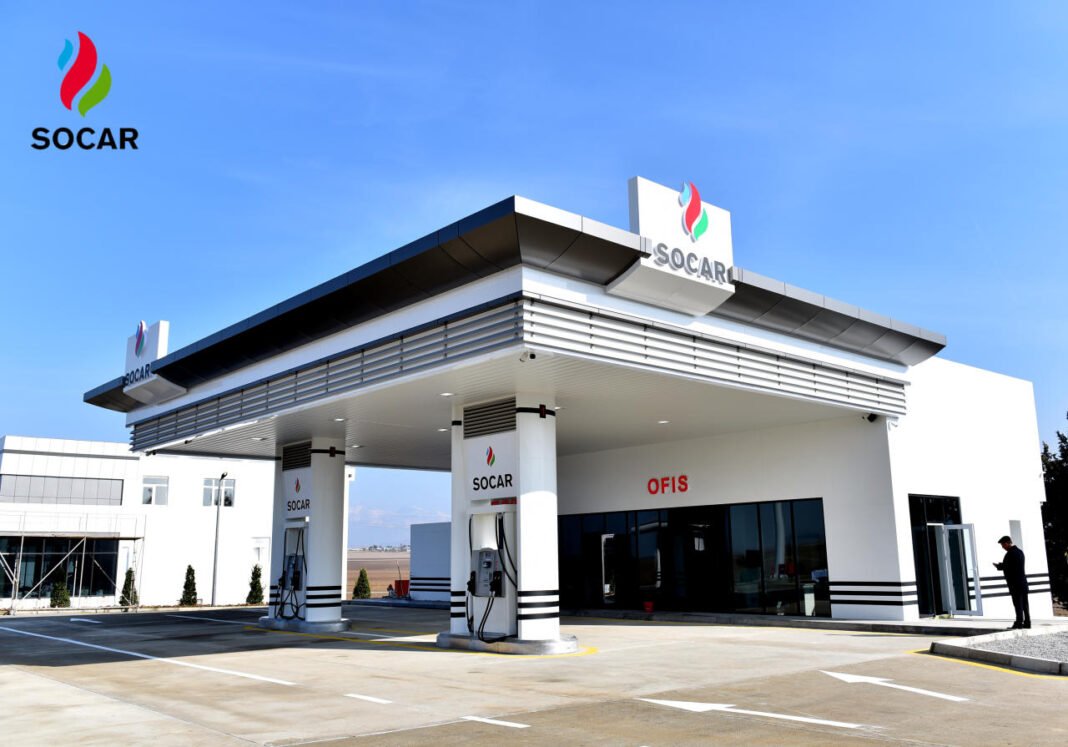
Jafarli points to the fuel market as one of the clearest examples of systemic distortion. While global oil prices have declined, Azerbaijan raised the price of gasoline and diesel earlier this year. Diesel prices increased by around 10 percent – a move with far-reaching consequences for agriculture, transportation, and food production.
“When fuel prices rise, production costs rise across the board,” Jafarli says. “Later, everyone asks why food and services are more expensive. The answer is simple: the government itself sets the process in motion.”
Competition changes everything
To illustrate his argument, Jafarli compares Azerbaijan with neighboring Georgia, where fuel prices vary from station to station. The difference, he says, lies in competition. International brands and local companies operate side by side, preventing any single player from dominating the market.
“In a competitive environment, even large companies cannot raise prices arbitrarily,” he notes.
In Azerbaijan, however, even segments officially described as “market-based,” such as premium fuel, function under tight informal restrictions. Import access is limited, new suppliers face barriers, and pricing power remains concentrated in the hands of a few players.
Open the market – and prices will fall
According to Jafarli, genuine liberalization would immediately change the situation. Allowing multiple importers – including suppliers from Turkey and other regional markets – would create price pressure and benefit consumers.
“If anyone were truly free to import and sell fuel, prices would drop on their own,” he argues. “The real test is whether such access would actually be permitted.”
The real issue: rules, not resources
Jafarli’s broader conclusion is blunt: Azerbaijan’s problem is not a lack of resources or unfavorable global conditions, but a regulatory environment that prevents markets from functioning.
“When the state is simultaneously regulator, participant, and beneficiary, competition becomes impossible,” he says. “Where competition exists, prices are restrained. Where it is blocked, everything becomes more expensive – regardless of global trends.”
The debate over fuel prices, he argues, reflects a larger issue facing the country’s economy: without meaningful competition, price stability will remain elusive.