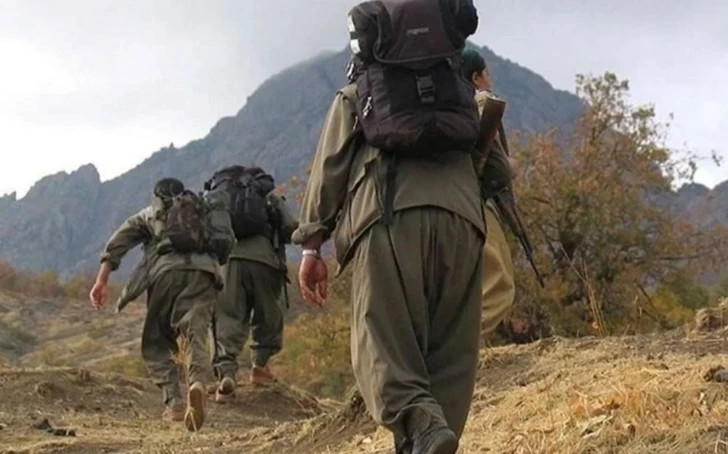
ANKARA/SULAIMANI – A new chapter in Turkey’s fight against terrorism began Friday as members of the outlawed Kurdistan Workers’ Party (PKK) initiated a formal disarmament process. The move is part of the broader “Terror-Free Turkey” initiative, first proposed in October 2024 by Nationalist Movement Party (MHP) leader Devlet Bahçeli and endorsed by President Recep Tayyip Erdoğan under the slogan “Let’s Strengthen the Domestic Front.”
According to Turkish media, the first group of PKK militants will surrender their weapons in northern Iraq this week. The process is expected to unfold under tight coordination between Turkey’s National Intelligence Organization (MIT), the Kurdistan Regional Government (KRG) in Erbil, and Iraq’s federal authorities in Baghdad.
Secret Meeting Signals Breakthrough
A secret meeting in Sulaymaniyah on Friday will mark the start of the disarmament. A group of 20 to 30 PKK militants, including high-ranking members of the PKK/KCK umbrella structure, is expected to surrender their arms and withdraw from their current positions unarmed.
The move follows an audio and video message from imprisoned PKK leader Abdullah Öcalan, calling for mechanisms to be established to begin disarmament. Intelligence sources say the surrender includes not only small arms but also the turnover of large weapons depots and ammunition caches in rural areas, all of which will be destroyed under MIT supervision.
Terms of Surrender
Militants who disarm will be allowed to remain in Iraq, provided they abstain from any organizational activity or public statements on behalf of the PKK. Those not involved in terrorist acts in Turkey or northern Iraq may return to Turkey, remain in Iraq, or move to Syria.
However, senior PKK leaders—including Murat Karayılan, Cemil Bayık, and Mustafa Karasu—will not be permitted to re-enter Turkey under any circumstances.
Timetable and Legal Framework
Turkish officials estimate that disarming the approximately 2,000 remaining militants could take between two to five months, depending on regional stability and potential sabotage. Once the Iraqi phase is completed, a similar process is expected to begin in Syria, adjusted to fit the region’s complex dynamics.
By late July, Ankara plans to begin drafting the necessary legal framework to support reintegration. A parliamentary commission within the Turkish Grand National Assembly will oversee this effort, with legislation expected to reach the floor in October.
Rehabilitation and Prisoner Review
Roughly 5,000 incarcerated PKK members will have their cases re-evaluated. Authorities will consider the severity of crimes committed, time served, and factors like age and health. Those who have exhibited good behavior or have served the majority of their sentences may be eligible for conditional release.
Turkey also plans to implement rehabilitation and integration programs, particularly for youth who were recruited or abducted into the PKK during childhood.
A Risky but Historic Endeavor
While Turkish officials are cautiously optimistic, observers warn that public skepticism, political opposition, or violent provocations could derail the fragile process. Still, if successful, this initiative could mark a transformational moment in Turkey’s decades-long battle with insurgency and pave the way for a post-conflict legal and social order.

