By Zarina Ismayilova – corporate psychologist
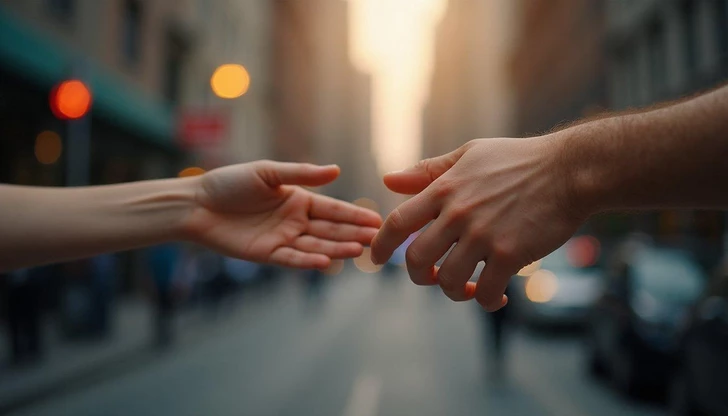
In a world constantly bracing for the next political shockwave or environmental disaster, one problem rarely makes headlines but affects millions every day: the simple, profoundly human difficulty of making a genuine connection without feeling foolish, exposed, or inadequate. This quiet crisis—loneliness—intensifies in an era marked by anxiety, uncertainty, and the illusion of hyper-connectivity.
We are living in a time where everything moves fast: the news cycle, our daily routines, even our emotions. Algorithms flood us with dopamine hits, pushing curated versions of intimacy while slowly stripping us of the skills to actually be present with another human. We’ve learned to be accessible without being available. To share, but not to open up. To perform closeness without risking truth.
Because intimacy, real intimacy, demands vulnerability—and vulnerability has become synonymous with weakness.
We scroll endlessly through dating apps, swiping past faces like products on a shelf. The digital age has replaced eye contact with filters, replaced awkward first hellos with canned lines and ghostings. In a world that promises instant connection, we’ve made it harder than ever to truly meet someone.
It wasn’t always this way. Once, meeting someone meant more than exchanging photos or bios—it meant risk, emotion, curiosity. Now we hide behind irony and carefully constructed detachment. We pride ourselves on independence but long, quietly, for connection. And when we don’t find it, we blame ourselves, not the system that made real closeness feel like an outdated inconvenience.
Loneliness today isn’t just the absence of someone. It’s the fear of trying. It’s the armor we wear to not seem “too much” or “not enough.” It’s texting someone but never daring to say, “I miss you.” It’s withholding our need for fear of scaring someone off. And all the while, we crave that one thing we no longer know how to ask for: to be seen, really seen.
Even in relationships, many feel alone. Polite cohabitation replaces conversation. Emotional distance masquerades as maturity. We fear saying the wrong thing, needing too much, or simply being vulnerable with the person sleeping next to us. The irony is painful—surrounded by people, yet isolated within.
Why is it so hard to try again? Because every attempt to connect forces us to confront past pain—betrayals, rejections, silences that echoed louder than words. But the answer is not to retreat further. It’s to acknowledge that love, in any form, asks us to be brave. Again and again.
The truth is, our desire to be chosen, to be understood, to simply matter to someone is not a weakness. It’s the strongest, most human part of us.
We’re told not to rely on anyone. To be enough for ourselves. But what if that’s a lie? What if we’re not supposed to go it alone? What if love isn’t a bonus, but a basic human need? Not the fairytale kind—but the kind where someone says, “I’m glad you exist.” Where we can be imperfect, quiet, afraid—and still loved.
We need to stop shaming our need for connection. Stop pretending solitude is always a choice. Stop acting like the desire for closeness is an inconvenience or emotional immaturity. It is neither.
To those who are tired of swiping, of performing, of being brave alone: you are not broken. You are just alive. And alive means wanting something real. Not perfect, but human.
There’s no blueprint for this. No guarantee. But perhaps all it takes is saying, honestly: I still want to try. Not because I need someone to complete me—but because life is softer, warmer, truer when shared.
And that, in today’s cold, curated world, is the most radical thing of all.

