Yerevan, September 18, 2025
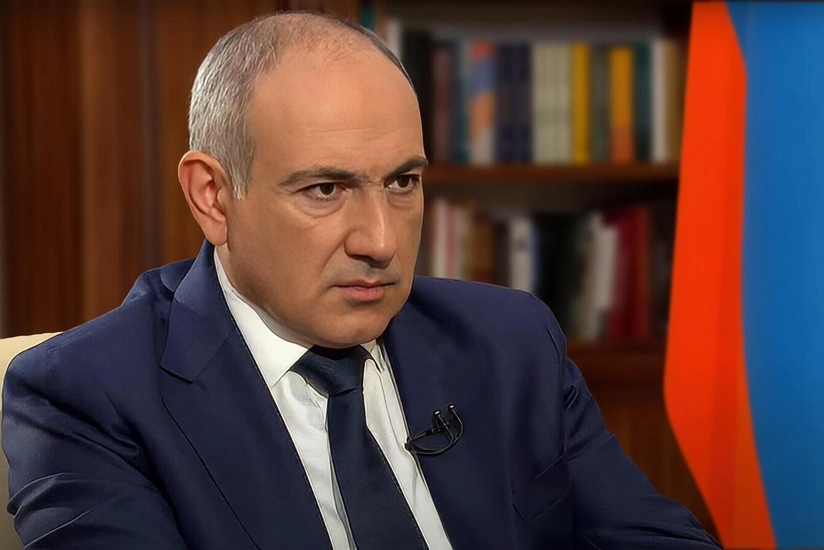
Armenian Prime Minister Nikol Pashinyan is gambling on a dual strategy that could define his career: binding his name to peace with Azerbaijan abroad while consolidating control over powerful institutions at home. Both fronts are volatile – and both could collapse if results fail to materialize.
In a pointed message on X, Pashinyan thanked U.S. President Donald Trump for mediating the August 8 Washington summit and pledged to deliver on TRIPP, the 42-kilometer stretch of the Zangezur corridor crossing Armenian territory. No Armenian leader before him has so openly embraced the corridor’s implementation, a move likely to inflame critics who already accuse him of capitulation. For Pashinyan, however, it is an attempt to turn the language of “concessions” into a narrative of historic peacebuilding.
At home, his government has launched a campaign to nationalize Electric Networks of Armenia, a utility owned by jailed tycoon Samvel Karapetyan. Parliament approved amendments clearing the way for the takeover; the Constitutional Court will review their legality in December. Opposition deputies denounce the move as a politically motivated raid. Yet for Pashinyan, striking at Karapetyan signals that Armenia’s oligarchs can no longer dictate terms to the state.
He is also challenging one of the country’s most entrenched institutions: the Armenian Apostolic Church. After weeks of sparring with Catholicos Garegin II, Pashinyan is now backing Father Aram Asatryan – the only priest openly aligned with the government – as a candidate for Catholicos. His proposal to change the church’s election rules would place the state at the center of choosing the spiritual leader of all Armenians. Critics see authoritarian overreach; Pashinyan calls it reform.
On the foreign stage, the prime minister highlights Armenia’s new strategic partnership with China as proof of diplomatic clout. He argues that unblocking regional transport routes will allow goods to flow by rail to Chinese markets, creating what he described as a “completely new economic situation.” It is a promise of prosperity meant to balance the political turbulence at home.
But numbers tell another story. A confidential poll commissioned by opposition groups in late August puts Pashinyan’s personal rating at just 12 percent, with three-quarters of respondents unhappy with the government’s performance. His Civil Contract party holds 17.3 percent support, but Karapetyan, despite his detention, polls at 10 percent, and former president Robert Kocharyan at 6 percent. The rest of the field barely registers.
Unfazed, Pashinyan insists his ruling party is stable. “In Civil Contract, dawns are always peaceful – but that peace never becomes a swamp,” he told reporters, casting intra-party debates as signs of vitality.
The coming months will show whether Pashinyan’s peace gamble pays off – or whether his bid to redraw Armenia’s political map leaves him cornered by institutions he seeks to control and a public losing faith in his leadership.