By Azerbaijan.US Editorial Board
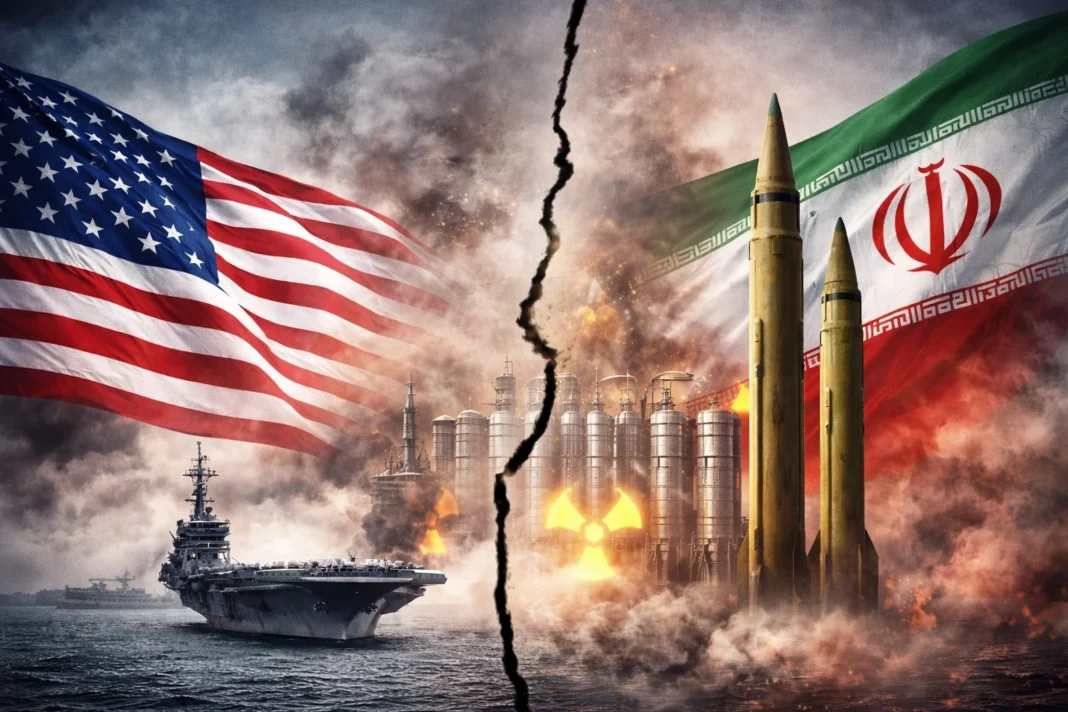
The latest round of U.S.–Iran talks in Muscat produced a familiar outcome-measured statements, cautious optimism, and no substantive breakthrough. Yet beneath the diplomatic choreography lies a more consequential signal. Iran is not merely negotiating over technical limits to its nuclear program; it is asserting a strategic principle: sovereignty over deterrence.
By declaring uranium enrichment a “natural right” and rejecting any discussion of its missile capabilities, Tehran is drawing red lines that are political rather than procedural. These positions are not bargaining tools designed to be traded away. They are foundational to how Iran understands survival in a hostile regional environment.
For Washington, this creates a dilemma that has defined policy for more than a decade. Pressure without diplomacy risks war. Diplomacy without leverage risks normalization of Iran’s advancing capabilities. The result is a cycle of negotiations that manage escalation rather than resolve it.
Regional actors understand this ambiguity well. Quiet diplomatic engagement by Middle Eastern states reflects less confidence in a grand bargain and more concern about uncontrolled conflict. Stability, not resolution, has become the realistic objective.
Israel’s expected consultations in Washington underscore the same tension. Allies seek clarity, yet U.S. strategy remains deliberately elastic-deterrence paired with dialogue, sanctions paired with open channels. This ambiguity is not confusion; it is containment by other means.
Inside Iran, economic strain and sanctions pressure continue to shape domestic realities. But history suggests external confrontation often consolidates, rather than weakens, political resolve. Any expectation that internal unrest alone will shift Tehran’s nuclear calculus has repeatedly proven optimistic.
What emerges from the current moment is not the collapse of diplomacy, but its transformation. Negotiations are no longer a pathway to comprehensive agreement. They function instead as guardrails preventing miscalculation between adversaries who no longer expect trust.
The danger, therefore, is subtle. Prolonged stalemate can feel like stability-until it suddenly is not. With red lines hardening on both sides and military options never fully absent, the distance between managed tension and open confrontation remains narrower than diplomacy alone can guarantee.
For now, talks will continue, statements will soften, and escalation will be postponed. But the central question persists: not whether Iran will concede, or whether the United States will pressure harder, but whether the existing diplomatic framework is still capable of producing a different future.

