Azerbaijan.US
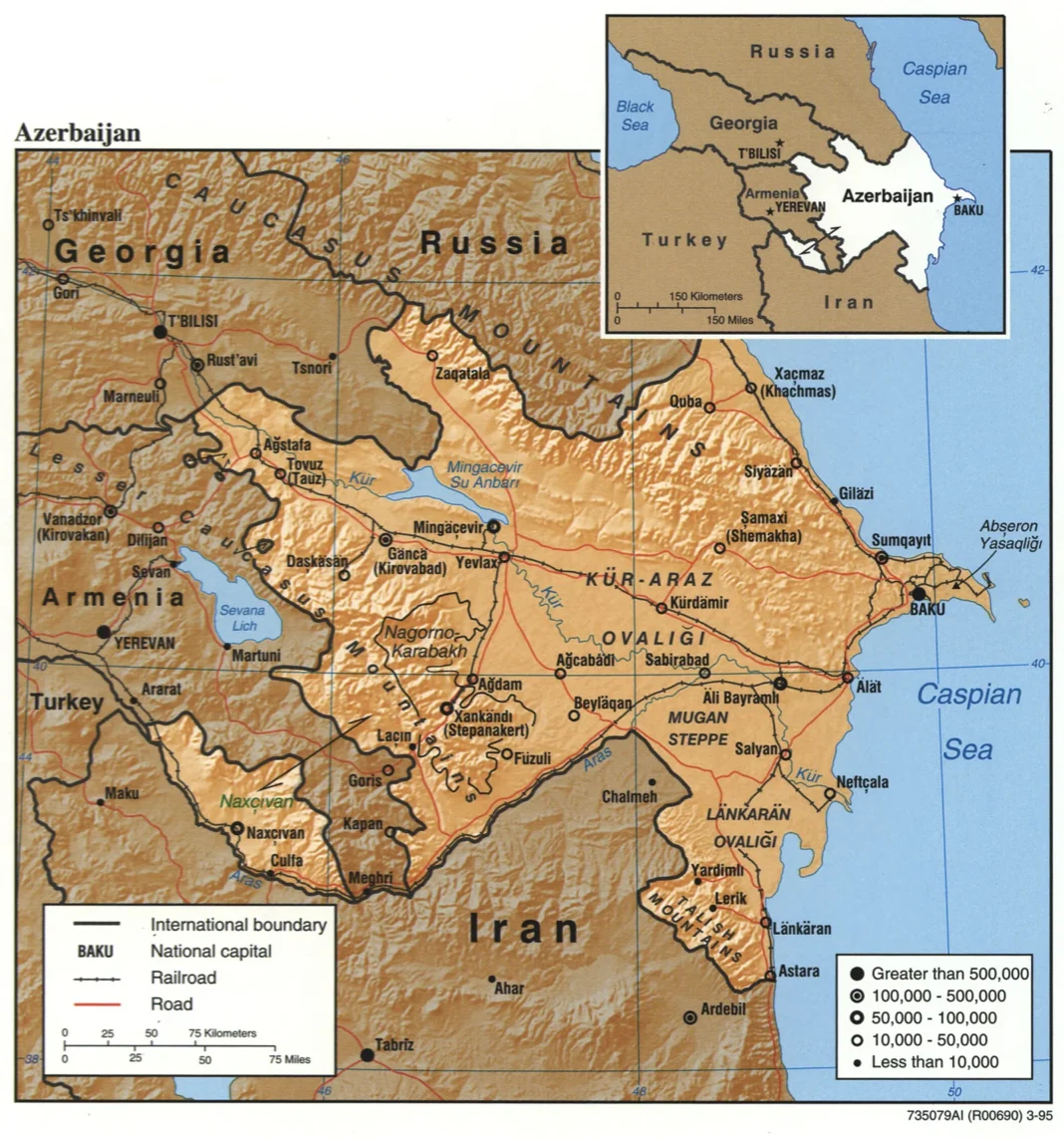
A potential military strike on Iran would immediately raise a high-stakes question for the South Caucasus: where would Azerbaijan stand, and what practical steps would it take to protect its interests?
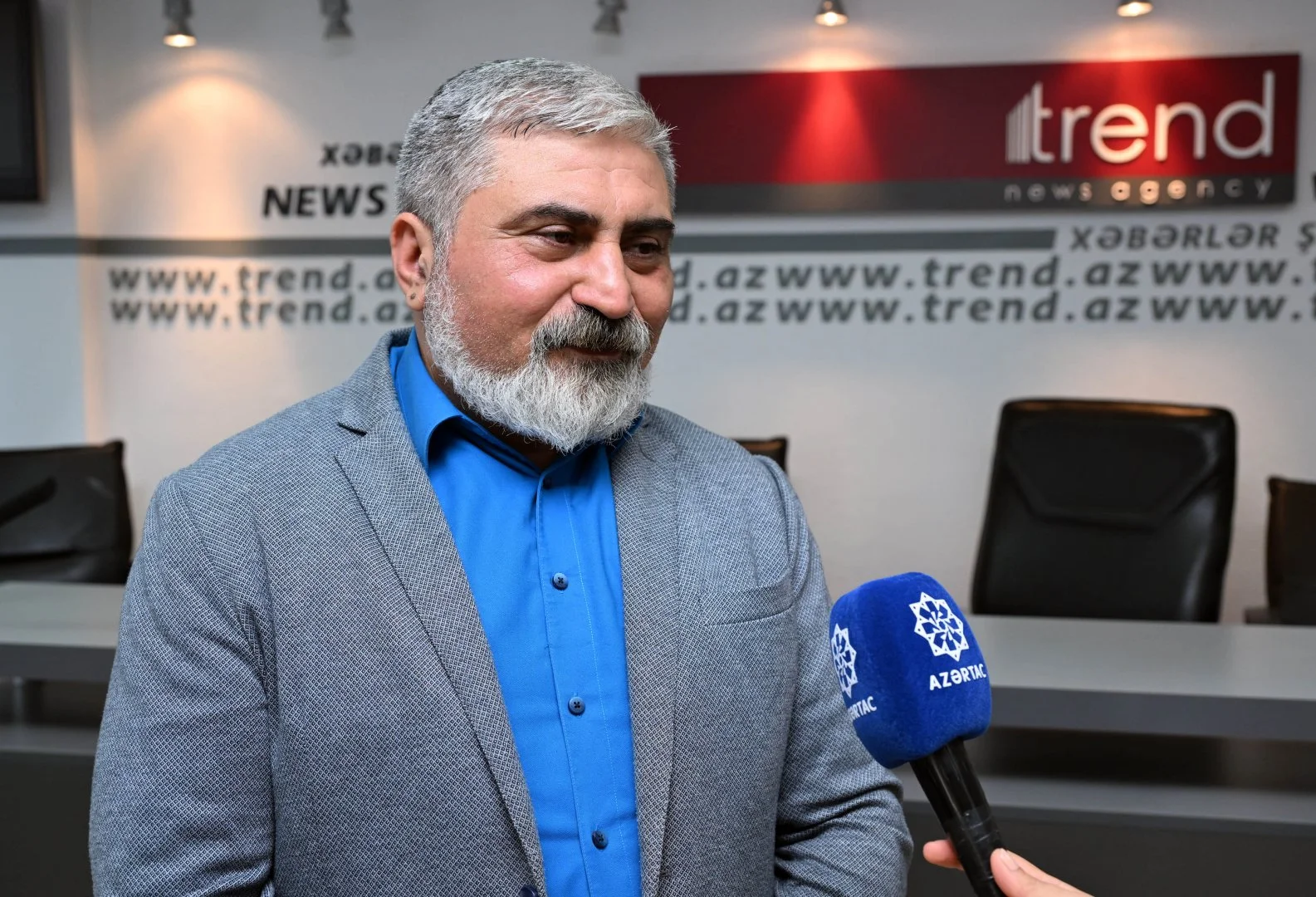
In a lengthy discussion on Reaksiya TV, political analyst Elchin Alioglu argued that Baku would seek to stay out of any direct confrontation while tightening security and prioritizing internal stability. His central claim was blunt: Azerbaijan, in his view, would not join a war against Iran and would not permit its territory to be used as a launching pad for strikes.
Alioglu framed Azerbaijan’s position as a familiar policy line rather than a new “crisis response.” He said Baku’s preference remains a diplomatic track – de-escalation over escalation – even amid growing regional pressure and competing expectations from outside powers.
At the same time, he described Azerbaijan’s balancing act as increasingly complicated because of its simultaneous relationships: a strategic partnership with Israel, deep allied ties with Turkey, and an unavoidable geographic reality – a long border with Iran. Alioglu suggested that, in a crisis, Ankara would remain Baku’s primary reference point, especially on regional security matters.
His forecast focused less on battlefield scenarios and more on spillover risks. He pointed to potential disruption along transport corridors, possible refugee flows, and the likelihood of heightened tension around the border. In that context, he argued, Azerbaijan’s first moves would be defensive: securing border regions, preparing contingency plans for emergencies, and maintaining a clear message that it is not a party to the conflict.
Alioglu also warned against overstating the likelihood that an external strike could quickly produce regime change in Iran. He portrayed Iran’s power structure as resilient and heavily security-driven, suggesting that airstrikes alone would not transform the internal political balance. From his perspective, the most realistic short-term outcome of a strike is not a clean political transition, but prolonged instability – a scenario he said would be dangerous for every neighboring state.
Another sensitive element in his remarks was the factor of ethnic Azerbaijanis in Iran. Alioglu argued that any major upheaval across the border would create intense pressure on Baku to pay close attention to humanitarian and community risks, while still avoiding military involvement. He emphasized that, in his view, Azerbaijan’s priority would be to protect stability at home and prevent the conflict from “spilling north.”
Alioglu’s overall conclusion was that Azerbaijan would try to hold a narrow line: keep channels open, avoid being dragged into a wider war, and strengthen domestic readiness for the kinds of shocks that regional conflict can trigger – from security incidents to economic turbulence.

