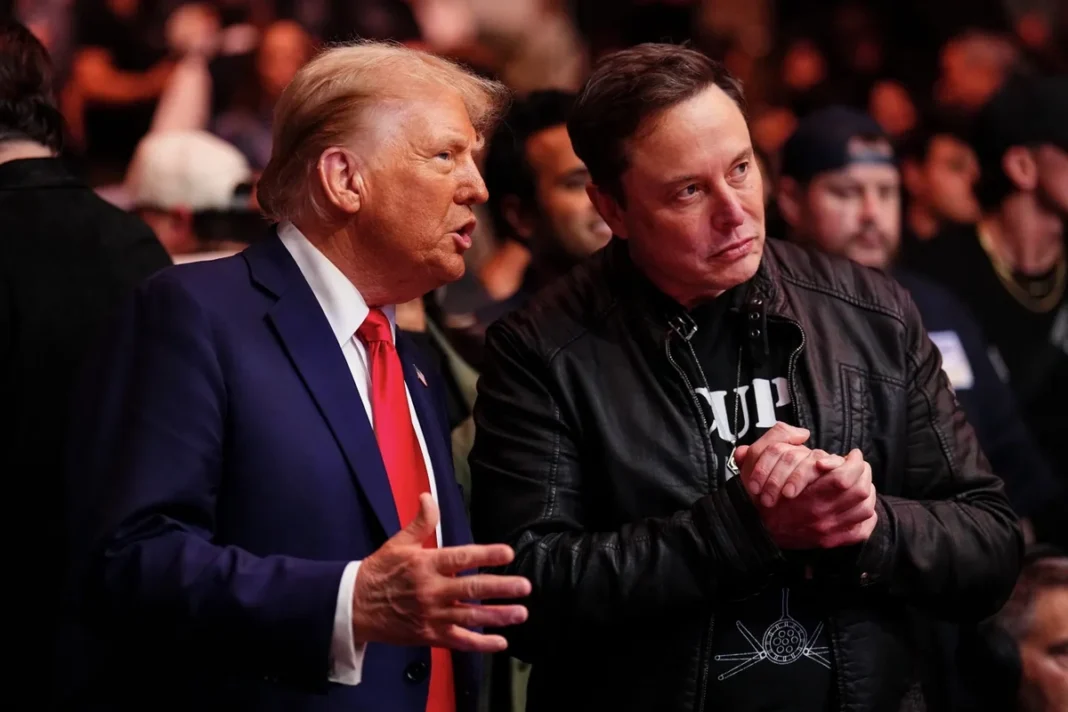
Tech billionaire Elon Musk has officially filed paperwork with the U.S. Federal Election Commission (FEC) to register a new political movement — the “America Party.” The move, announced after a poll on Musk’s X (formerly Twitter) account, has already sparked widespread debate over its potential impact on the U.S. political landscape, which has been dominated for over a century by just two major parties.
More than 1.2 million users participated in Musk’s online poll, with over 65% voting in favor of a new political party. In response, Musk declared:
“With a 2-to-1 margin, the people have spoken. The ‘America Party’ is being formed to return freedom to the people, in a system where overspending and corruption have essentially turned our democracy into a one-party state.”
Stay Ahead with Azerbaijan.usGet exclusive translations, top stories, and analysis — straight to your inbox.
Can a Third Party Work in America’s Political Landscape?
In comments to Oxu.Az, former U.S. diplomat and former U.S. Ambassador to Azerbaijan, Matthew Bryza, said Musk’s move appears to be a direct challenge to the fiscal policies of former ally Donald Trump:
“Ironically, Musk once spent more than $250 million supporting Trump’s 2024 bid. But their relationship soured after the Trump administration passed tax legislation targeting the ultra-wealthy.”
While Bryza acknowledges Musk’s massive influence and funding capacity, he is skeptical:
“The U.S. political system has been built on a two-party framework since its founding. Many have tried and failed to establish a lasting third party.”
A New Kingmaker?
Turkish analyst Engin Özer suggests Musk’s party could act like Turkey’s MHP — not a dominant force, but a crucial power broker:
“If Musk’s party captures even a small but decisive share of votes, it could prevent either Democrats or Republicans from securing a majority outright, potentially forcing a runoff or coalition dynamics.”
He speculated that Musk might aim for the vice presidency or even launch a presidential bid — either independently or through a coalition — further disrupting the status quo.
Political Outsider with Deep Pockets — But No Grassroots
Political analyst Zeynal Amraliyev also remains cautious, noting that previous third-party efforts in the U.S. have fizzled out:
“Despite minor parties like the Greens, Libertarians, or Labor groups being active, none have managed to gain meaningful traction even in local elections — let alone presidential races.”
According to Amraliyev, Musk’s influence might stir some short-term political noise but is unlikely to reshape the deeply entrenched two-party system:
“The economic and political elite are still firmly aligned with the Republican and Democratic parties. Even with Musk’s financial power, entrenched institutions will likely push back.”
Economic Shockwaves, Political Ripples
Amraliyev suggests the biggest immediate impact could be economic, not political:
“Musk’s party could shake investor confidence, especially in tech stocks or markets tied to his business empire. But I don’t expect a dramatic shift in foreign policy or domestic governance.”
Ultimately, experts agree: Elon Musk’s entry into U.S. politics marks a bold experiment — but turning billionaire charisma into sustainable political power in Washington is a much steeper climb.

