Azerbaijan.US
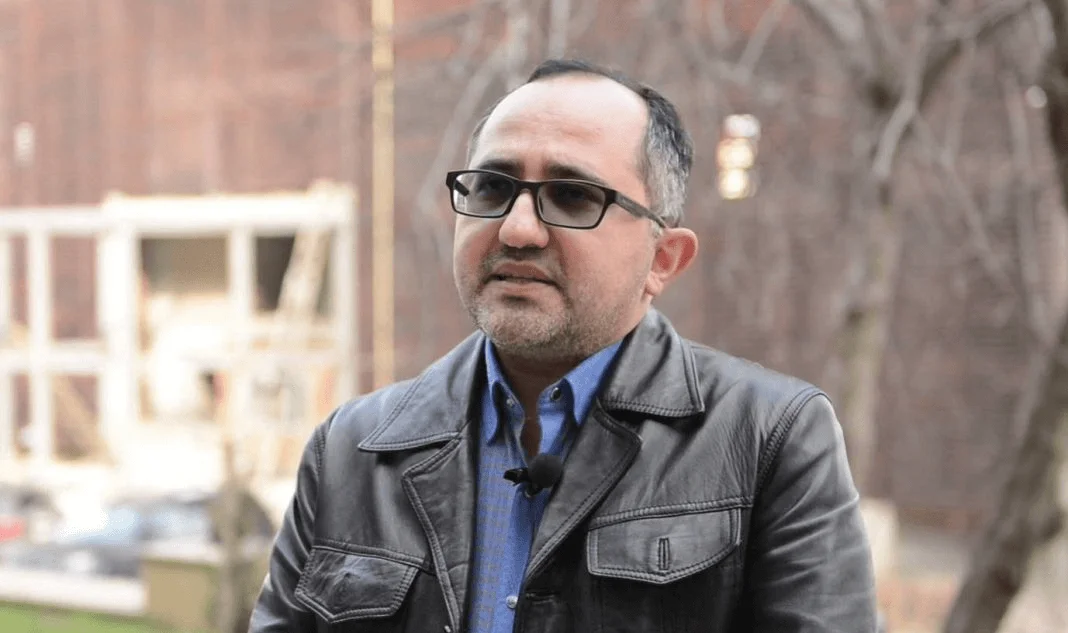
Azerbaijani lawyer Akram Hasanov has questioned government claims of fiscal restraint, pointing to regulations that allow a wide range of officials to fly business class on official trips at public expense.
In a Facebook post, Hasanov argued that the rhetoric of “strict savings” does not match actual practice. He noted that in many countries business-class travel for officials is tightly restricted. In the United States, for example, senior officials may use business class only on flights longer than 14 hours – and even then, not routinely.
“The price difference is significant,” Hasanov wrote. “If an economy-class ticket costs 500 manats, business class can range from 1,000 to 2,500 manats or more. Yet here, entire groups of officials fly business class.”
Who is entitled to fly business class
Hasanov cited a Cabinet of Ministers decree dated January 25, 2008 (No. 14), which defines the norms for official travel expenses. Under that decision, business-class flights paid from the state budget are permitted for a broad list of officials, including:
the prime minister and deputy prime ministers;
members of parliament;
ministers and their deputies;
heads of state agencies and services;
judges of the Constitutional Court;
the chair and deputy chair of the Supreme Court;
heads of administrative offices of parliament, courts, and the Cabinet of Ministers;
the chair and auditors of the Chamber of Accounts;
chairs of the Central Election Commission, the Audiovisual Council, and appellate courts;
the president of the National Academy of Sciences;
the ombudsman;
the prosecutor general and deputies;
the head of Baku’s executive authority;
ambassadors, consuls general, and members of intergovernmental commissions established by the president.
“Savings should start at the top”
According to Hasanov, many foreign trips by officials involve conferences, seminars, and meetings with limited practical value. Even if such travel is justified, he argues, there is no clear reason it must be done in business class.
“If officials flew economy class, tens of millions of manats could be saved each year,” he wrote. “Why does real austerity always fall on the population, and never on officials themselves?”
In a postscript, the lawyer added that the list does not include state-owned companies or public legal entities. Their officials also often travel business class, he said, formally at the expense of their institutions rather than the state budget.
“But in the end,” Hasanov concluded, “it is still public money.”

