Azerbaijan.US
Calls for the “normalization” of relations between Azerbaijan and Armenia are increasingly framed as a matter of goodwill and reconciliation. Yet critics warn that the current discourse risks blurring an essential distinction – between pragmatic state-to-state engagement and the illusion of political or societal closeness.
Personalities do not define policy
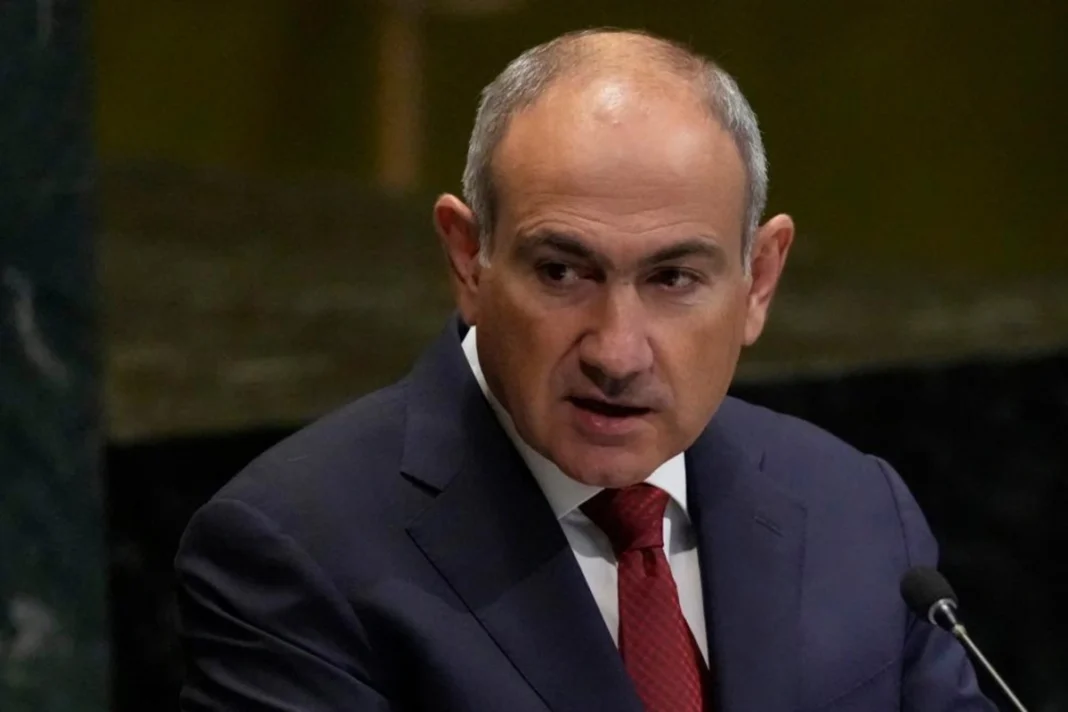
One of the central misconceptions, Abbasly says, is the tendency to view Armenian Prime Minister Nikol Pashinyan as a guarantor of stability. In his view, focusing on individual leaders is strategically misleading.
“Whoever governs Armenia will act according to power realities, not sentiment,” he argues. “If Azerbaijan is strong, it will be taken seriously regardless of who is in office. If it is weak, no leader will respect its interests.”
From this perspective, attaching Azerbaijan’s regional strategy to a specific political figure in Yerevan risks creating false expectations and unnecessary dependencies.
Normalization versus closeness
Abbasly draws a sharp line between normalizing interstate relations and promoting societal intimacy. The former, he says, is necessary and unavoidable; the latter is neither required nor advisable.
History, he argues, offers little justification for rapid rapprochement at the societal level. Previous attempts at informal closeness, he notes, ended in renewed hostility rather than durable trust.
“States can normalize relations without pretending there is mutual affection,” Abbasly says. “Diplomacy does not require emotional proximity.”
A psychological imbalance
The analyst also points to differing public attitudes in Azerbaijan and Armenia. Polling data suggests that support for peace initiatives is significantly higher in Azerbaijan than in Armenia – a gap Abbasly interprets as a reflection of post-conflict psychology.
“The winning side is usually more open to compromise,” he says. “The losing side is more prone to suspicion and resentment.”
Against this backdrop, efforts to accelerate people-to-people engagement, he argues, may prove premature and counterproductive.
Interests over symbolism
Abbasly emphasizes that Azerbaijan’s priority should remain the protection of concrete national interests: security arrangements, transport corridors, border management, and regional connectivity. These issues, he argues, require discipline and clarity – not symbolic gestures aimed at projecting goodwill.
“There is nothing wrong with normalization,” he concludes. “But normalization is about rules, boundaries, and interests – not about pretending that deep political or historical differences no longer exist.”
For Azerbaijan, the lesson is straightforward: sustainable relations with Armenia must be built on realism rather than sentiment, and on institutional frameworks rather than personal trust.