Baku, September 29, 2025
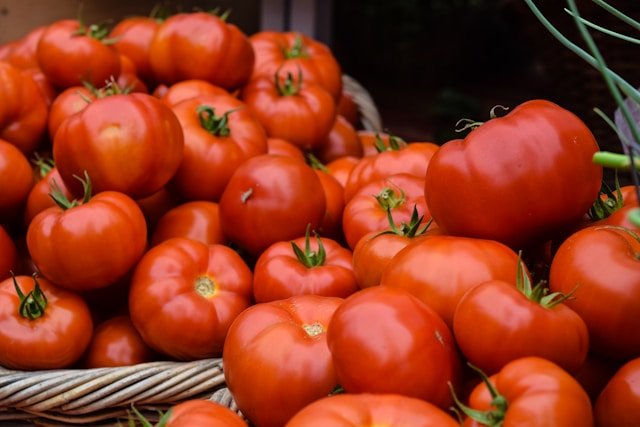
Tomatoes and cucumbers, staples of every Azerbaijani table, have suddenly become the focus of heated conversations in the capital’s supermarkets and bazaars. What was once small talk about freshness and taste has turned into complaints about cost, as prices jumped far more sharply than in previous autumn seasons.
Weather and supply gaps
Grower Eldar Huseynov, speaking to Kaspiy newspaper, linked the surge to heavy rains in the north:
“Fields in Khachmaz were flooded, and greenhouse crops are already finished. New harvests aren’t ready yet, so there is a supply gap. For cucumbers, cloudy weather hit productivity. This crop needs sun.”
He warned that high prices could last until late November, though harvests from Shamkir and Salyan may ease shortages.
Structural factors and hidden costs
According to Nahid Azizli, lecturer at Lankaran State University, the trend is also tied to structural pressures: energy costs for heating greenhouses, rising fertilizer prices, transport expenses, and Azerbaijan’s growing tomato exports.
“In some cases, the wholesale-retail chain inflates prices artificially. Farmers sell cheaply, but by the time produce reaches Baku stalls, prices may be two or three times higher,” he noted.
Seasonal and speculative
Experts agree much of the increase is seasonal, but opportunistic mark-ups also play a role. Shortages give traders room to push prices higher.
What can be done
Economists suggest easing seasonal imports, providing energy subsidies to greenhouse farmers, and tightening market oversight to curb speculation. In the short term, prices may soften as fresh harvests arrive. But longer-term stability depends on investment in modern greenhouses, drip-irrigation, and logistics infrastructure.

