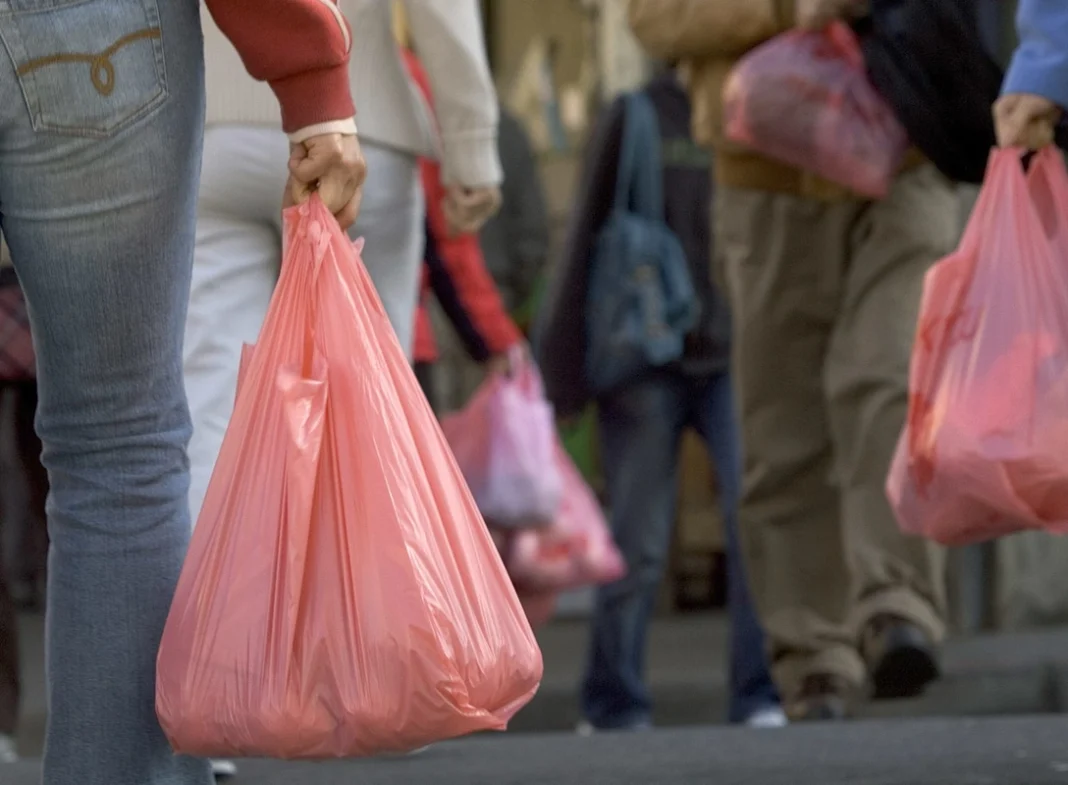
The price of small plastic bags in Azerbaijan has been raised from 3 qepiks to 5 qepiks, while larger bags now cost 7 qepiks.
The adjustment sparked a familiar question: Will higher prices finally shift shopper behavior toward reusable or eco-friendly alternatives? Early observations suggest not yet.
A survey of major supermarkets and neighborhood chain stores across Baku shows that despite the price increase, most customers continue to choose standard polyethylene bags. Cashiers confirm that the speed of checkout and lack of visible alternatives keeps buyer habits unchanged.
Some shoppers say they simply have no practical option at the point of sale:
“Stores mostly offer plastic bags. I don’t see other choices, so I just take what they give,” one customer said.
Marketing expert Qaləndər Məmmədli argues that the issue is less about price and more about how alternatives are presented:
“When a shopper approaches the cashier, the only item within immediate reach is the plastic bag. Eco-friendly bags are usually placed on side shelves, away from attention,” he noted.
According to him, consumer behavior will not shift unless supermarkets proactively promote reusable or environmentally safe options, place them directly at the checkout, and train staff to offer them first.
For now, despite the higher prices, plastic bags remain the default choice for most Azerbaijani shoppers, revealing how deeply convenience and habit shape daily purchasing decisions.