Baku— August 11, 2025
Since the Zangezur Corridor first appeared on the South Caucasus agenda — a transport link designed to connect mainland Azerbaijan with its Nakhchivan Autonomous Republic via Armenia — the project has been one of the main irritants in Tehran’s relations with Baku.
Iran’s official line has been that the corridor would “violate Armenia’s sovereignty and territorial integrity,” casting itself as a defender of Armenian interests. In reality, Tehran’s hostility stems from fears that the route would undercut its own transit role, reducing the value of Iran’s existing connections to Armenia, which serve as its gateway to Russia and Europe.
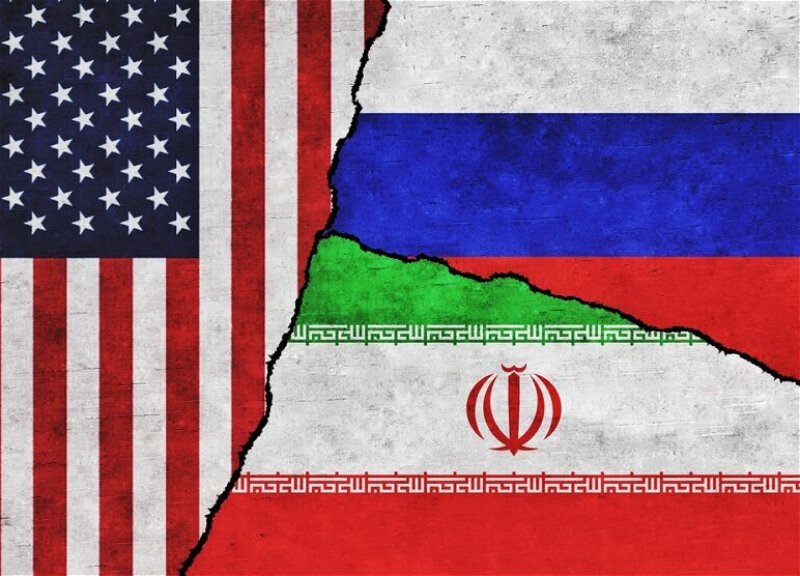
Now, Iran’s opposition has produced an even less favorable outcome for Tehran. Under the original November 10, 2020 trilateral statement, Russia was expected to handle the security of the corridor. But according to the U.S.–Armenia agreement signed in Washington on August 8, an American company will operate the route. For Tehran’s hardline establishment, this is the geopolitical equivalent of a nightmare.
Not everyone in Iran sees the corridor as a threat. President Masoud Pezeshkian and Foreign Minister Abbas Araghchi, unlike the conservative old guard, have publicly acknowledged that Tehran’s security concerns have been addressed. Araghchi pointed to the joint Armenia–Azerbaijan statement, which enshrines three principles: respect for sovereignty, territorial integrity, and opposition to any border changes — all of which align with Iran’s stated position.
The move has also drawn sharp disapproval in Moscow, where it is viewed as part of an effort to push Russia out of the South Caucasus and potentially pave the way for NATO presence in the region.
“Trump Route” Rewrites the Map
Azerbaijani MP and political analyst Rasim Musabekov told 1news.az that such reactions from Iran and Russia were predictable:
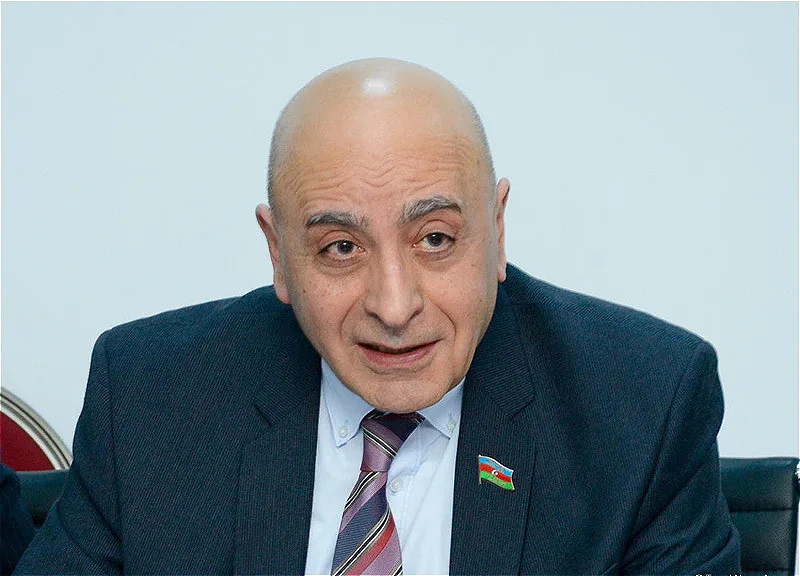
“The new geopolitical configuration in the South Caucasus is being built through the Zangezur Corridor, now linked to the name of President Trump — TRIPP, the ‘Trump Route for International Peace and Prosperity’.”
He noted that what was once an Iran–Russia “exclusive” in the region has since been disrupted by Turkey’s active involvement, creating a more balanced regional order. Now, the United States has made its presence felt as well — something both Tehran and Moscow view as a challenge to what they have long considered their sphere of influence.
Power Struggles in Tehran
Musabekov stressed that Iran’s hardline opposition comes primarily from Supreme Leader Ali Khamenei’s conservative circle, particularly the Islamic Revolutionary Guard Corps (IRGC), which has traditionally held anti-Azerbaijani and anti-American positions. But, he added, the debate also reflects a deeper internal power struggle over Iran’s future after Khamenei’s eventual departure.
While Khamenei’s adviser Ali Akbar Velayati and the IRGC cling to a confrontational stance, President Pezeshkian has reportedly won over the powerful Larijani family — a political dynasty with deep influence in parliament, the judiciary, and the security apparatus. This emerging bloc could counterbalance the conservatives and shape a more pragmatic foreign policy.
Russia Plays Along — For Now
According to Musabekov, Russia was forced to publicly praise the Washington talks. Foreign Ministry spokesperson Maria Zakharova framed the agreements as a continuation of Moscow’s earlier mediation efforts — a diplomatic necessity ahead of the planned Putin–Trump meeting in Alaska. Still, he noted, the reality is that reaching a deal in Washington without Russia undercuts Moscow’s leverage, reducing its ability to keep Armenia and Azerbaijan dependent.
Azerbaijan’s Strategic Balance
Musabekov believes implementation will be key. The corridor is not an overly complex project, given that much of the infrastructure once existed and only needs restoration. He contrasted Azerbaijan’s completed new bridge over the Araz River at Julfa with Iran’s delays in constructing its counterpart at Agbend, suggesting Tehran focus on delivering competitive transit conditions rather than issuing empty threats.
Ultimately, he said, Azerbaijan will not shape its policies to please Moscow or Tehran:
“Baku will independently deepen partnerships with the United States, strengthen its alliance with Turkey, and expand its strategic cooperation with China to ensure a balance of interests that secures the sovereignty of Azerbaijan and the other states of the region — not sacrifices them to the geopolitical ambitions of Moscow or Tehran.”

