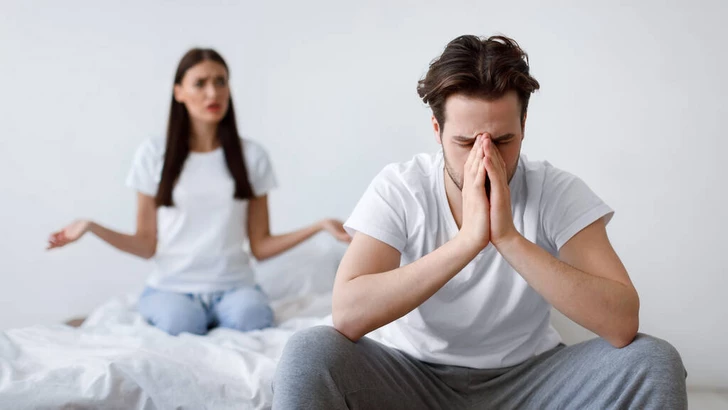
In recent years, discussions about why couples drift apart after marriage have become increasingly common in Azerbaijan.
Many spouses say that something changes – often subtly – once the relationship becomes official. Psychologists and sociologists point to a combination of emotional, social, and economic factors behind this transformation.
From romance to routine
Psychologist Elnur Rustamov notes that the transition from courtship to marriage naturally reshapes the dynamics between partners.
“Marriage changes the form of a relationship over time. When a child is born, or when the couple moves from a rented apartment to their own home, the atmosphere changes again,” he explains.
“During courtship, people try to appear ideal. But marriage is a long process – conflicts and real-life challenges appear, and it becomes less about romance and more about responsibility.”
According to Rustamov, the way couples spend time together also shifts after marriage.
“Before, they may have met for just a few hours a day or a few times a week. Now they share nearly every evening, every decision, every obligation. That alone can expose differences in communication and expectations,” he adds.
The illusion of compatibility
Sociologist Uzeyir Shafiyev believes that many couples enter marriage without truly knowing each other.
“If there isn’t an honest atmosphere before marriage – if people wear masks – the real personalities emerge only afterward. Then, within the first few years, conflicts are almost inevitable,” he says.
Shafiyev emphasizes that such conflicts often arise not because partners have changed, but because their deeper traits have finally surfaced.
“When both sides fail to recognize each other’s psychological and cultural differences early on, disappointment follows. A marriage built on idealized images will eventually face a reality check,” he adds.
Economic stress and family pressure
Material hardship is another recurring theme. Rising living costs, housing problems, and unequal financial expectations can strain even stable couples.
“There’s a saying: when poverty knocks on the door, love jumps out the window,” notes one Baku resident interviewed for the study.
Sociologists add that interference from extended family members – a traditional feature of Azerbaijani households — can make things worse, especially if boundaries are unclear.
The emotional gap
Some experts argue that modern expectations of freedom and equality clash with older social norms. Women, in particular, often seek greater independence, while men may struggle to adapt to changing gender roles. These mismatched expectations can turn affection into resentment.
A call for realism and emotional literacy
Both Rustamov and Shafiyev agree that long-term relationships require emotional maturity and honest preparation.
“A healthy marriage is one where both partners recognize their responsibilities, respect each other’s boundaries, and adapt to life’s changes together,” says Rustamov.
Experts recommend that couples discuss finances, family roles, and personal values before marriage – not after – and seek counseling early when problems arise.
The bottom line
Marriage doesn’t necessarily destroy love – it tests it. Those who treat it as a lifelong project, requiring communication, patience, and shared responsibility, are more likely to turn the post-wedding transformation into growth rather than disillusionment.

