Azerbaijan.US
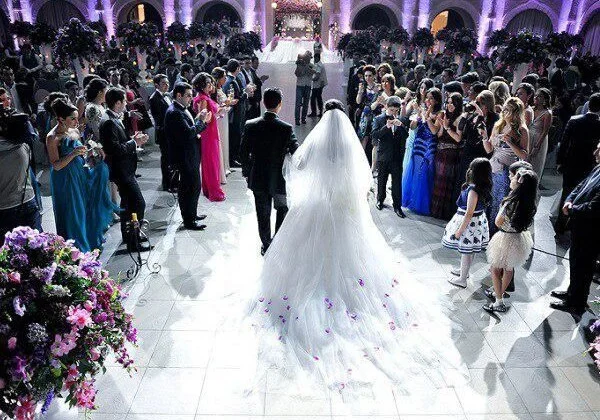
Even during what is traditionally considered the wedding season, banquet halls across Azerbaijan are reporting a noticeable decline in bookings. Industry representatives say the slowdown is no longer seasonal but part of a broader, structural shift.
Venue managers note that January and February have always been quieter months due to weather conditions. Yet the gap has widened. What once counted as a normal winter schedule – around 10 to 12 weddings per month – has now dropped to six or seven, a figure many operators already consider a success.
Rising costs remain a pressure point. Higher prices for meat, fish, and alcoholic beverages continue to push up wedding packages. Still, market participants stress that Baku offers banquet venues across virtually all price ranges, suggesting that cost alone does not explain the trend.
One visible adjustment has been the rise of “joint weddings,” where families combine celebrations to reduce expenses tied to venue rental and related services. While this helps households manage costs, it further reduces the overall number of events in the market.
Analysts argue the deeper drivers are social and demographic. Over the past decade, the share of young people in Azerbaijan’s population has fallen sharply, while outward migration among younger cohorts has increased. At the same time, attitudes toward marriage are changing.
Experts point to a growing preference among young adults to prioritize education, careers, and financial stability before starting a family. Similar patterns have been observed in parts of East Asia, where digital socialization and delayed marriage have reshaped traditional family timelines. Rising divorce rates have also made some young people more cautious about long-term commitments.
Specialists warn that if the trend continues, the impact will extend beyond the wedding industry to a wider range of service sectors. Some argue that targeted social support – including housing access, employment opportunities, and family-oriented incentives – could help reverse the decline.
For now, fewer weddings mean fewer guests, fewer bookings, and a quiet transformation of a social institution long considered a constant.

