Azerbaijan.US
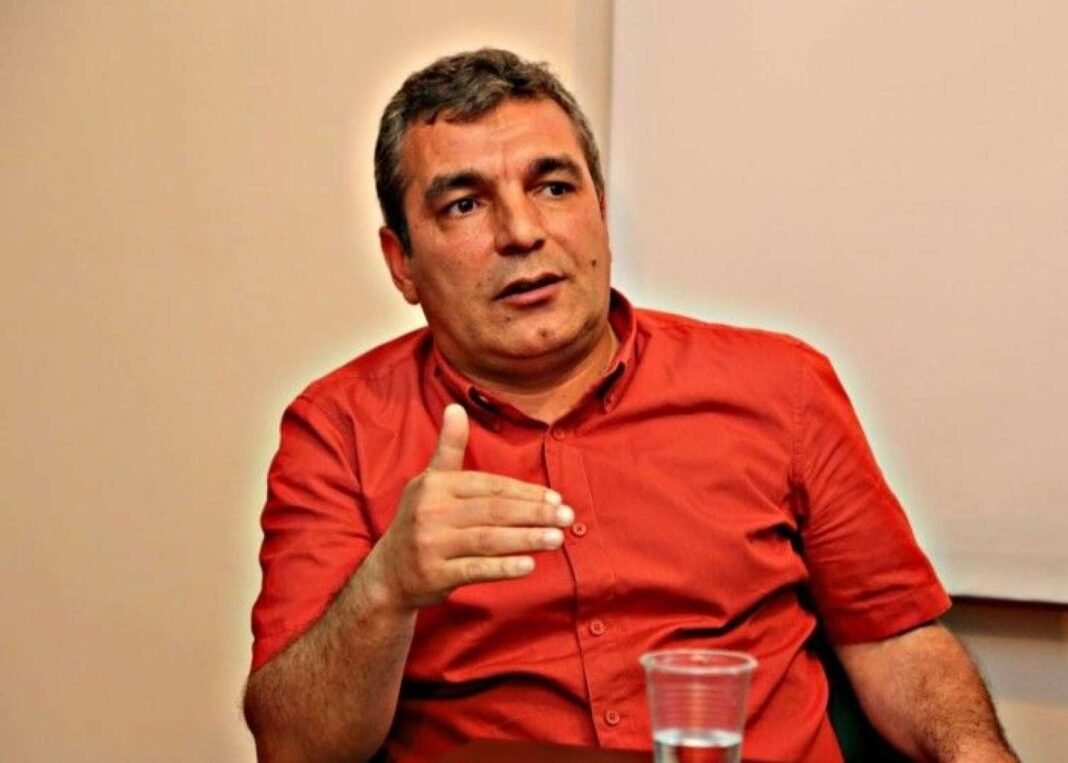
Azerbaijan’s declining livestock numbers are not the result of a short-term shock, but a structural problem rooted in policy and incentives, economist Natig Jafarli said in an interview with Musavat TV.
According to Jafarli, Azerbaijan has seen a steady decline in livestock over the past five years. Over the last three years alone, the number of cattle has fallen by roughly 300,000 heads, while sheep and goats have decreased by 1.2-1.3 million. These figures, he argues, point to a systemic failure rather than temporary market volatility.
Not a pasture problem
While shortages of pastureland, feed, and infrastructure are often cited as the main causes, Jafarli says these are secondary issues.
“The core problem is profitability,” he said. “If livestock farming does not generate stable income, people will leave the sector regardless of how much land is available.”
He noted that in the mid-2000s Azerbaijan’s livestock numbers were 30-40% higher than today, despite less advanced infrastructure at the time.
Why Georgia performs better
Jafarli pointed to Georgia as a regional comparison that highlights Azerbaijan’s policy shortcomings. Georgia has managed to maintain and expand livestock production, supply its domestic market, and export live animals and meat – including to Azerbaijan.
“No one is arguing for import bans,” Jafarli said. “But the question policymakers should ask is why farmers across the border can raise livestock profitably, while farmers on this side cannot.”
According to the economist, the difference lies in tax policy, customs rules, incentives, and state support mechanisms, which in Georgia are more predictable and better aligned with farmers’ needs.
Rising prices and the cost chain
Jafarli also rejected the idea that rising meat prices are driven by opportunistic behavior among butchers or traders.
“This is a cost-chain issue,” he said. “Feed, fuel, dairy inputs, and basic food items have all become more expensive. Meat prices cannot remain stable when production costs are rising across the board.”
A shrinking workforce
Beyond economics, Jafarli warned of a growing labor problem in rural Azerbaijan. Fewer people – especially young people – are willing to work in livestock farming due to low income and weak social status associated with the profession.
“Livestock farming needs rebranding,” he said. “It must become a respected and financially viable occupation. Otherwise, rural depopulation will continue, and pressure on cities will increase.”
Policy takeaway
Jafarli’s assessment suggests that Azerbaijan’s livestock decline is less about natural constraints and more about policy design. Without reforms that improve profitability, reduce administrative pressure, and raise rural incomes, livestock numbers are likely to keep falling – increasing reliance on imports and putting further pressure on food prices.

