Azerbaijan.US
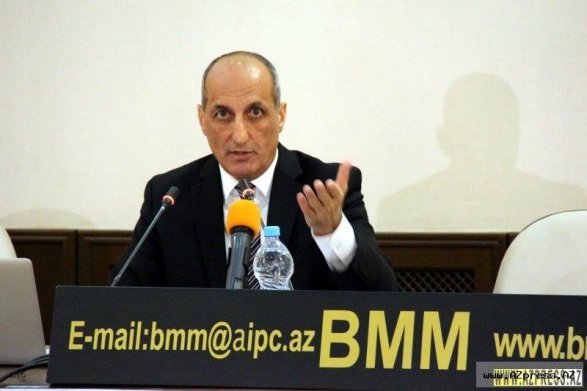
A former Azerbaijan minister of finance Fikret Yusifov has issued a sharp warning about the country’s growing dependence on food imports, arguing that market monopolies – not a lack of capacity – are undermining domestic production and driving up prices.
Speaking on local media, the former official said trade turnover between Azerbaijan and Iran stands at roughly $648-649 million, with around 98 percent consisting of imports. Azerbaijan’s exports to Iran, he noted, amount to just about $14 million, creating a deeply imbalanced trade relationship.
According to the ex-minister, Azerbaijan continues to import basic food products – including potatoes, eggs, vegetable oil, and other staples – despite having comparable climate conditions and sufficient agricultural potential to produce them domestically.
He estimated that up to 75 percent of food consumed in the country is imported, calling this level of dependence “unacceptable” for an agrarian economy. Over the past decade, he added, government subsidies to the agricultural sector have steadily increased, yet import substitution has failed to materialize.
The core problem, he argued, is market monopolization. Uniform prices for the same products across different markets are not a sign of healthy competition, but of centralized control by dominant wholesale players.
“When the same product costs exactly the same everywhere, this is not a free market,” the former minister said. “It is price management happening behind the scenes.”
He warned that such a system makes Azerbaijan’s food market extremely vulnerable to external shocks. Turmoil or disruptions in neighboring countries, particularly Iran, are quickly transmitted into domestic price spikes. As an example, he pointed to vegetable oil prices, which surged sharply within a short period after supply disruptions.
The criticism, he stressed, is not aimed at the state itself but at structural barriers that prevent domestic producers from competing fairly.
“The potential exists. The resources exist,” he said. “If we are still this dependent on imports, it means there are obstacles – and the name of those obstacles is monopoly.”

