In recent weeks, one question has dominated Azerbaijani social media and talk shows:
Will unemployed citizens have to pay their own mandatory health insurance fees starting next year?
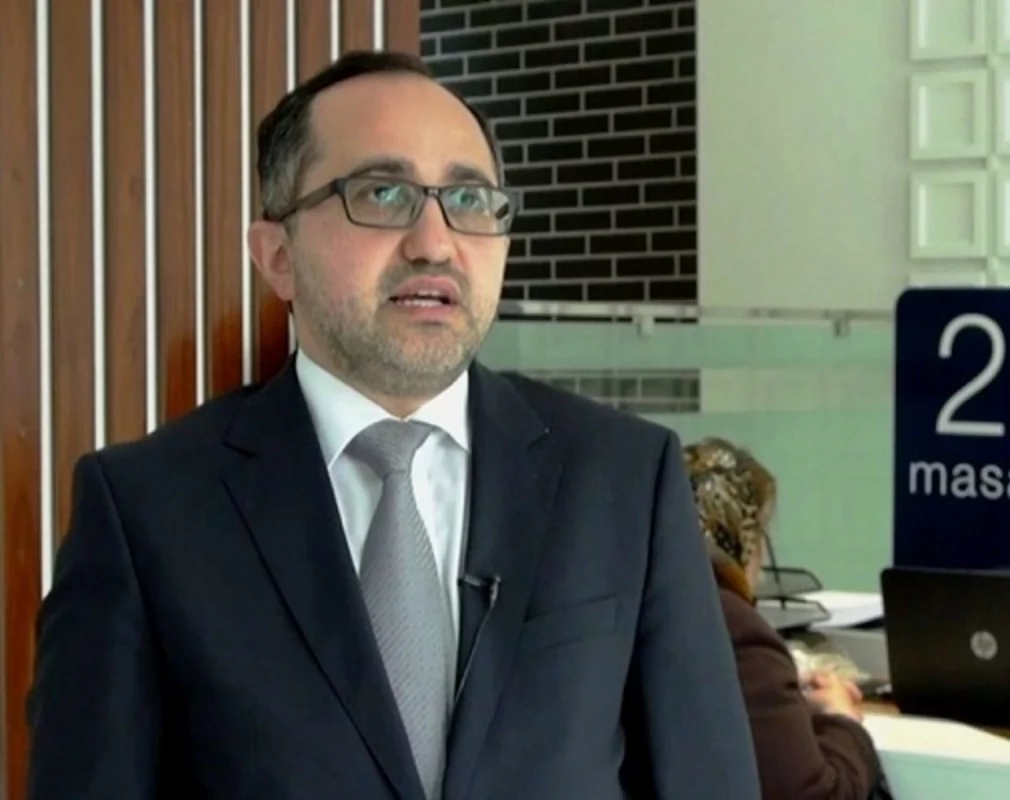
A well-known legal expert, Akram Hasanov, says the answer is clear — and it is no.
With Parliament passing the final reading of amendments to the Law on Medical Insurance as part of the 2025 budget package, public confusion grew after early reports suggested that unemployed people might be required to pay out of pocket. Hasanov says this interpretation is incorrect and stems from a misunderstanding – or, as he suggests, a deliberate ambiguity.
What the Law Actually Says
The new amendments introduce an additional category:
individuals engaged in non-formal (unregistered) employment.
According to Hasanov, the law now divides health insurance contributions into four groups:
Employees – paid by their employer.
Entrepreneurs – paid by the entrepreneur.
Non-formal workers – paid by the individual.
Everyone else (including the unemployed) – paid by the state.
“Nothing in the law says that unemployed citizens must pay insurance fees themselves,” Hasanov stresses. “The only change relates to non-formal workers.”
The Key Distinction: Unemployed vs. Non-Formal Workers
Hasanov argues that the core of the misunderstanding lies here:
An unemployed person is someone with no income.
A non-formal worker is someone who does earn income, but conceals it to avoid taxes, which is legally punishable.
“Demanding a legal insurance payment from someone engaged in illegal undeclared work makes no sense,” Hasanov says. “The state’s job is to identify such individuals, require them to legalize their activity, and collect the appropriate taxes.”
Why the Public Was Misled
Hasanov suggests two possibilities:
The government may have intentionally allowed the confusion to spread before publishing the bill.
Or officials themselves did not fully understand the implications.
Either way, early media reports misinterpreted the draft as a requirement for unemployed people to pay their own insurance fees. Experts, without access to the text, could not correct the narrative.
The Real Risk: Overzealous Enforcement
Hasanov warns that next year tax and other state officials may attempt to classify ordinary citizens as “non-formal workers” based on questionable indicators:
any money transferred to a personal bank card,
cashback received through the “Return Your VAT” system,
even regular purchases: “If you have no income, how are you shopping?”
Legally, citizens can explain such transfers as gifts from close relatives – which are not taxable. But Hasanov fears most people will not have the legal literacy or confidence to argue with officials.
“The purpose of this confusion,” he says, “is to intimidate citizens so the state budget won’t have to pay their insurance. They hope people will simply stay silent.”
Hasanov’s Advice for Unemployed Citizens
The lawyer recommends a counter-intuitive but, in today’s reality, practical approach:
avoid using your own bank cards,
use the cards of close relatives who support you,
or make payments in cash.
“It is absurd,” Hasanov admits. “The whole world is moving toward cashless payments, and we are forced to go backwards. But until our officials learn to act lawfully, citizens must protect themselves.”

