Azerbaijan.US
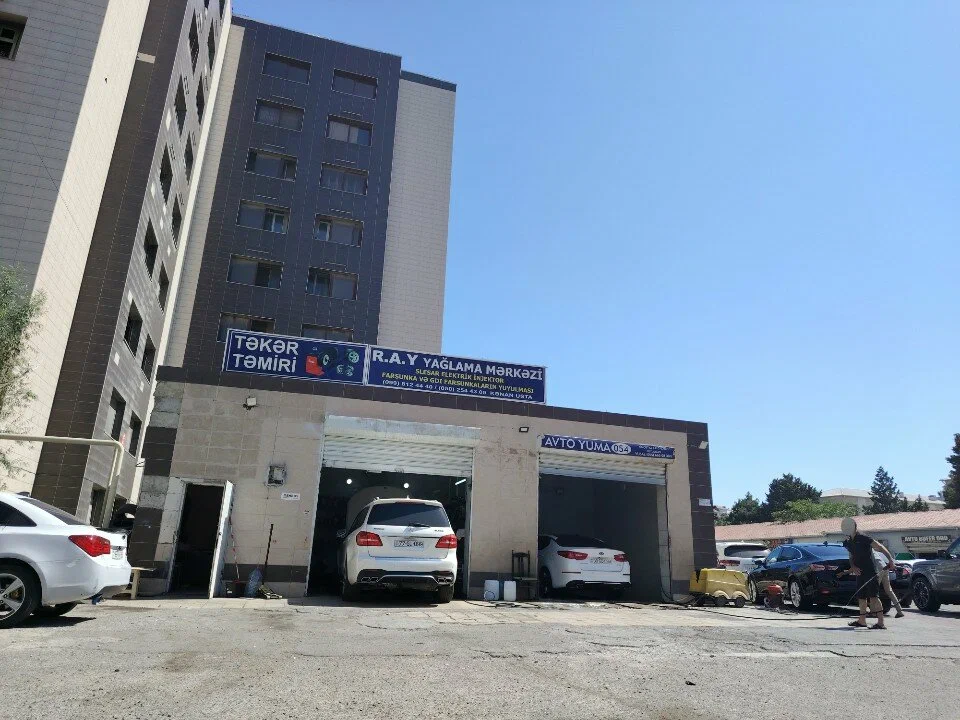
In many residential neighborhoods across Baku, courtyards designed for daily life are increasingly being repurposed into service and work zones. One of the most visible examples is the spread of car washes operating directly inside strictly residential areas – often just a few meters from apartment buildings.
For residents, the impact is immediate and constant. The noise of high-pressure washing equipment, compressors, and pumps blends with car horns, raised voices, and the steady flow of vehicles. Lower-floor apartments are especially affected, as water and chemical foam frequently splash onto windows and balconies. Opening a window – even during warmer months – becomes difficult, sometimes impossible.
Beyond the everyday discomfort, the situation exposes a deeper governance issue: zoning. Car washes function as semi-industrial facilities, relying on heavy equipment, continuous vehicle turnover, and extended operating hours. By their nature, they are incompatible with areas designated exclusively for residential use. Yet across the city, these boundaries appear increasingly blurred.
Urban zoning exists for a reason. Residential zones are planned as spaces for rest, privacy, and basic quality of life. When service or industrial-type operations are allowed to function within them, the result is not “mixed-use development,” but unmanaged intrusion. Residents find themselves adapting to commercial activity rather than being protected by planning rules.
Equally troubling is the perception of selective enforcement. Many residents report filing complaints or requesting inspections, only to see little change. Over time, a widespread belief has taken root that certain facilities operate under informal protection, shielding them from meaningful oversight. Whether proven or not, this perception alone undermines trust in urban regulation and local governance.
Existing regulations do provide mechanisms to address excessive noise and zoning violations. In theory, businesses that exceed permitted noise levels or operate outside designated zones can face penalties or restrictions. In practice, enforcement often appears inconsistent, leaving residents to cope with conditions that should not exist in residential neighborhoods in the first place.
The issue is not about opposing small business or urban services. Car washes have a place in any city. The question is where that place should be. When commercial convenience is prioritized over zoning rules and residential wellbeing, the city sends a clear signal about whose interests come first.
As Baku continues to grow and modernize, conflicts like this highlight the need for clearer zoning enforcement and transparent urban planning decisions. Without it, courtyards risk becoming permanent service corridors – and the concept of residential space risks losing its meaning altogether.