Baku, October 1, 2025
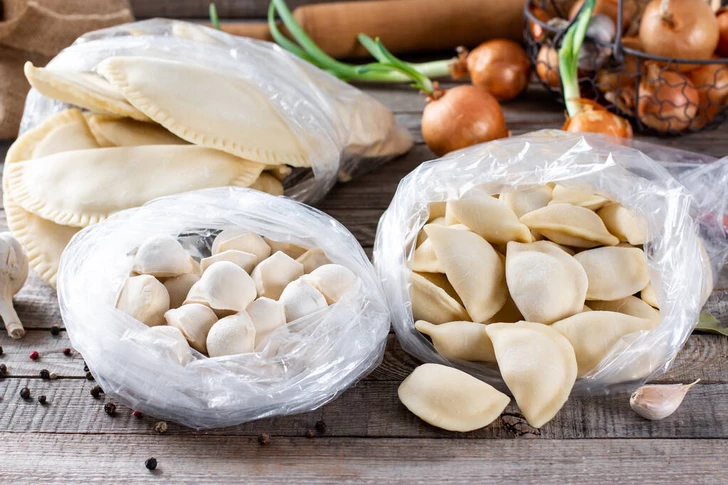
As colder weather sets in, demand for frozen semi-prepared foods rises across Azerbaijan. Dumplings, khinkali, dolma, and other ready-to-cook dishes are appearing not only in supermarkets but increasingly in social media marketplaces, where private sellers lure buyers with significantly lower prices.
But behind the savings may lie serious health risks.
Shoppers who tried such products report mixed experiences. “I bought dumplings online, but the meat inside wasn’t fresh — even though it wasn’t expired,” one consumer recalled. Another said they only buy from stores: “I always check the production date and storage rules before purchasing.”
Nutrition expert Seymur Gafarov, Talking to KhazarTV, warns that quality and hygiene are key concerns.
“Before being sold frozen, semi-prepared foods must be frozen individually, then packed in plastic or cardboard with proper labeling,” he explains. Products made in uncontrolled home kitchens and sold through social media, he says, present the greatest risk.
“Homemade sellers usually have no knowledge of legal requirements, no hygiene training, no medical checks, and their goods are never lab-tested,” Gafarov added. “They simply buy ingredients, prepare the food at home, and sell it informally.”
The absence of a quality control system is especially troubling. If consumers suffer vomiting, diarrhea, or food poisoning, there is no accountable producer to turn to.
According to the Azerbaijan Food Safety Agency (AFSA), all businesses selling food must register and obtain the necessary documents. Compliance is monitored through inspections, citizen complaints, and media reports, with unsafe products withdrawn from the market. But foods sold by private individuals via social networks largely escape oversight.
Price remains the main draw. In stores, half a kilo of dumplings costs around 7 manats, while Georgian khinkali retail for 7.65 manats. On social media, however, sellers offer 1 kilo of dumplings for 4–5 manats, or khinkali for 35–40 qapik apiece.
Food safety experts caution that the low prices may come at a high cost — not to the wallet, but to consumers’ health.

