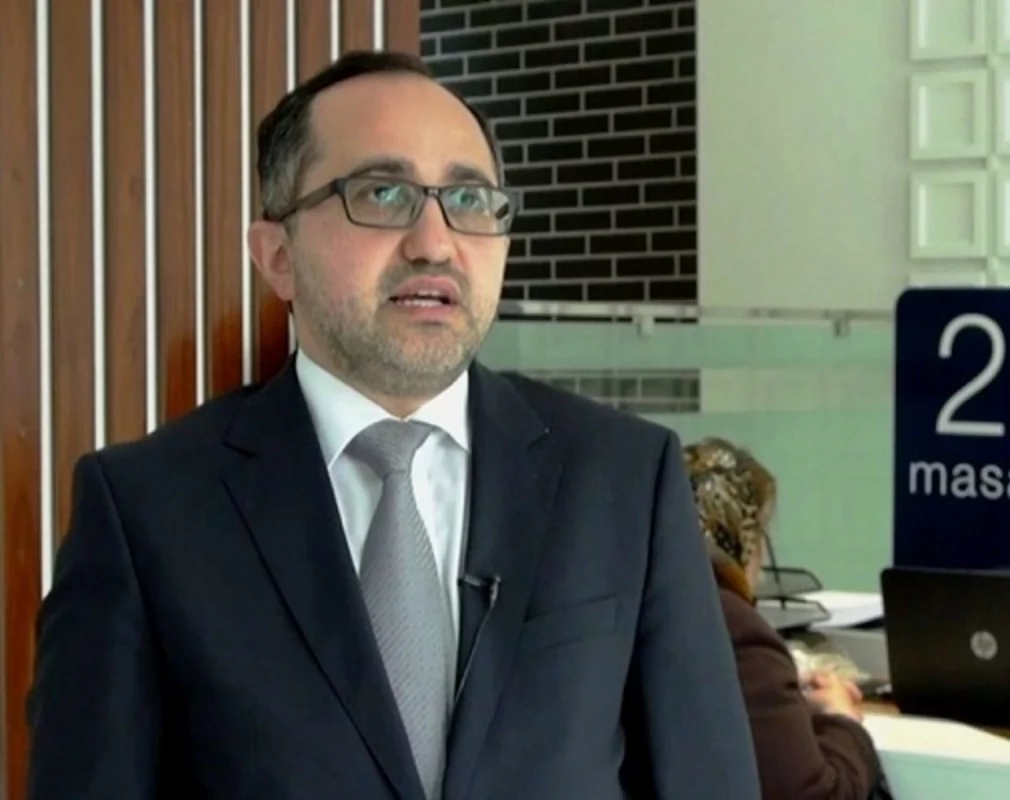
A senior official from Azerbaijan’s State Tax Service says the government’s tax exemptions for electric and hybrid vehicles have boosted demand and helped modernize the country’s automotive market. But not everyone is convinced these incentives will deliver on promises of “local production.”
Speaking at a briefing, Nijat Imanov, Head of Tax Policy at the State Tax Service under the Ministry of Economy, noted that since 2019, the import of electric vehicles has been exempt from VAT, and since 2022, both import and domestic sales of electric cars have been fully VAT-free.
Hybrid vehicles also receive VAT relief for a four-year period, introduced in 2022.
Imanov added that beginning in 2023, entities involved in “local car production” are likewise exempt from VAT – a measure intended to stimulate domestic manufacturing.
Azerbaijan’s Car Manufacturing Plans Face Skepticism
Economic expert Akram Hasanov, speaking to Gununsesi.info, sharply criticized the initiative and questioned the transparency around government planning.
“By law, draft budget documents must be published by October 25. This hasn’t happened. The documents briefly appeared on the parliament’s website last week and then disappeared again.”
Hasanov argued that VAT exemptions alone will not create a viable car industry:
“If these exemptions truly lead to local car manufacturing, that’s great. But I don’t believe it will happen. We are a small country – we cannot be successful in every sector.”
According to him, attempts to develop agriculture, tourism, and now automotive production have not produced meaningful breakthroughs.
“Who will buy these cars? People already prefer imported vehicles. We cannot even produce a bicycle – so talking about car manufacturing is laughable to me.”
“This Is About Revenue, Not Development”
Hasanov said that the new tax rules appear more focused on increasing budget revenues than fostering innovation.
“VAT is applied mainly to imported cars so that the state budget collects more money. They call it ‘local production,’ but I doubt this reflects reality.”
He concluded that current fiscal decisions lack any long-term economic vision:
“Everything being done for this year’s and next year’s budget is aimed at generating additional income. I don’t see economic development or real incentives in these projects.”