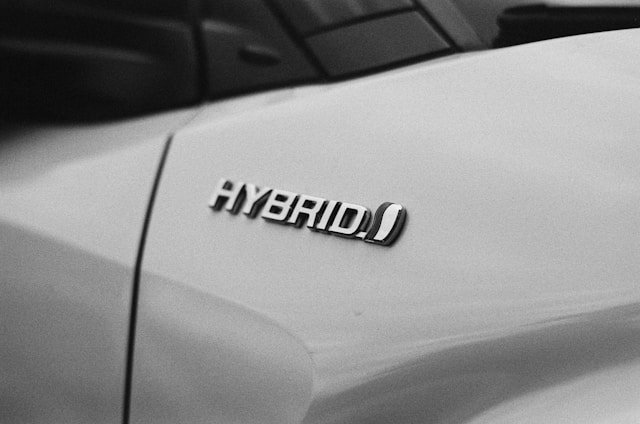
Starting January 1, 2026, Azerbaijan will end its VAT exemption on the import and sale of hybrid and electric vehicles – a move that is already driving up market prices and creating chaos among importers.
According to the 2026 state budget, the government expects to collect 4.75 billion manats in VAT from imports, up 182 million manats from this year – signaling higher costs for incoming vehicles.
Under the new rules, a hybrid car valued at 20,000 manats at customs, which currently sells for around 24,200 manats, will cost roughly 28,500 manats next year. Similarly, an electric car of the same value will be priced at no less than 23,700 manats.
Amid the rush to benefit from existing exemptions, car prices in the market have already increased by about 3,000 manats. A Chinese-made hybrid vehicle that cost 23,000 manats in August now sells for 26,000-27,000 manats.
Importers say they are struggling to deliver vehicles before the deadline. At the Main Customs Office on Khojasan Highway, long lines of cars await registration daily. Some importers report severe shipping delays from overseas.
“My Mercedes-Benz from Korea took four months to arrive instead of two,” said importer Shamil Valimammadov.
“The hybrid I ordered from China was delayed by two weeks,” added Ramazan Jafarov.
For shipments from the U.S., delays can stretch up to eight months. Importers note that the fastest – though most expensive – way to bring in cars is to personally drive them from Europe, which takes about a week from Germany.
One Chinese import company told Oxu.Az that the earliest possible delivery date for new cars is December 20, and only if at least eight vehicles are shipped together. Using toll roads adds an extra $300–400 per shipment.
At customs, importers claim that Chinese hybrids now selling for 26,000–27,000 manats could still be brought into the country for around 19,500 manats (including documentation) – but without any manufacturer warranty.
Transport expert Eldeniz Jafarov warns against buying such vehicles:
“Cars without a manufacturer warranty often come with hidden risks. Repairs and maintenance can become far more costly later. Official warranties usually last three years – and that’s worth protecting.”

