BAKU, Sept. 30, 2025
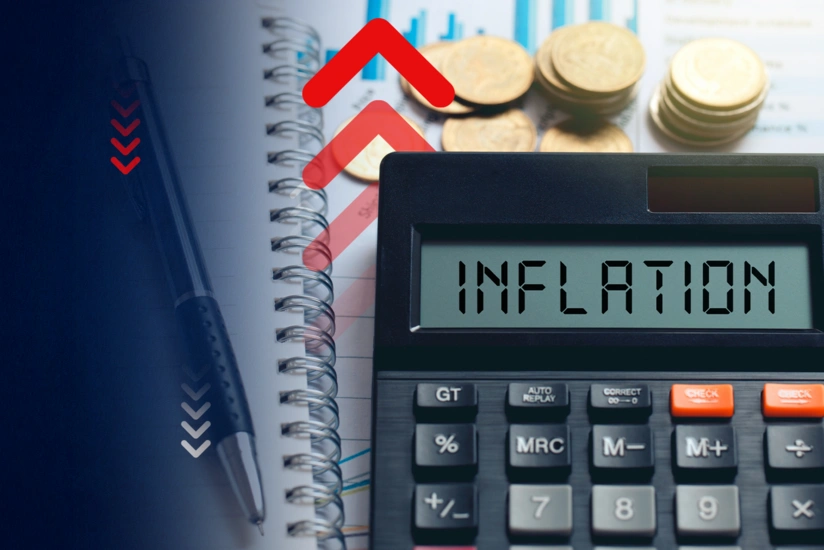
Inflationary pressures in Azerbaijan are showing signs of easing, with the Asian Development Bank (ADB) projecting a slowdown in the second half of the year after months of price acceleration.
According to the ADB’s September report, annual inflation surged to 5.9 percent by the end of June, up sharply from 0.7 percent a year earlier. The spike reflected a combination of rising import costs and government-approved tariff increases introduced in mid-2024 and early 2025. Food prices climbed 6.6 percent, while non-food goods rose 2.7 percent and services 7.5 percent, highlighting the broad-based nature of cost pressures across the economy.
Despite this, the ADB expects inflation to cool in the coming months as the one-off impact of tariff adjustments fades. The Central Bank of Azerbaijan has acted with cautious optimism, lowering its policy rate in July from 7.25 percent to 7 percent – its first rate cut since May 2024. Officials noted that inflation had remained within the target band of 2 to 6 percent, giving space for a modest easing of monetary conditions.
Looking ahead, the ADB forecasts average inflation of 4.2 percent in 2025 and 3.5 percent in 2026, unchanged from its earlier projections. National authorities hold a slightly different view: the Ministry of Economy expects 5.4 percent inflation this year and 4.3 percent next year, while the Central Bank’s July estimate points to 5.7 percent for 2025 and roughly 5.3 percent for 2026.
The divergence in forecasts underscores the balancing act facing policymakers. While headline inflation is projected to ease, risks remain from global energy and food markets, as well as potential volatility in import costs.
At the same time, Azerbaijan’s monetary authorities appear intent on supporting growth without undermining financial stability – a priority as the country navigates structural reforms and ongoing investment in energy and transport infrastructure.