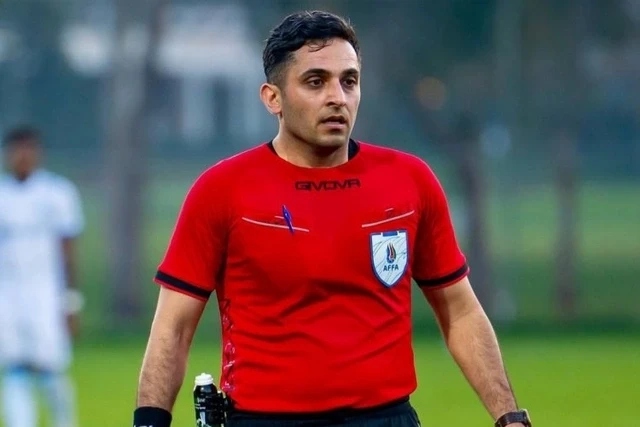
Baku, August 11
Former football referee Rauf Allahverdiyev, recently banned from officiating, has applied to work with a well-known taxi company in Baku, idman.biz reports. Once his paperwork is complete, he is expected to start his new job behind the wheel.
Allahverdiyev’s refereeing career came to an abrupt end after what officials described as a “major error” during the first leg of the Azerbaijan Cup semifinal between Neftçi and Sabah on April 2 last season. The decision triggered strong backlash from clubs, supporters, and analysts, who not only questioned that specific call but also highlighted the wider decline in refereeing standards.
The Azerbaijan Football Federations Association (AFFA) later announced that his contract would not be renewed—not solely because of the controversial decision, but also due to public statements he made that the federation claimed harmed its professional reputation.
Criticism and Deeper Issues
While refereeing mistakes are an inevitable part of the game, critics argue that Allahverdiyev’s case is a symptom of broader structural problems in Azerbaijani football. Transparency in referee selection, training, and match assessment remains minimal, and disciplinary decisions often appear opaque. Without a consistent, independent review system, the public is left wondering whether punishments are fair or politically motivated.
Political and Business Influence on the Game
Several football insiders and sports journalists point to the powerful intersection of politics, business, and football in Azerbaijan. Clubs with strong political backing or influential corporate sponsors—particularly those linked to state enterprises or oligarch-owned companies—are widely believed to enjoy more favorable treatment from match officials. This environment can put referees in an impossible position: pressured to make decisions that protect the interests of certain clubs, yet vulnerable to harsh penalties if those decisions draw public outrage.
In such a climate, some observers suggest that Allahverdiyev became a convenient scapegoat—publicly punished to show “accountability” while deeper, systemic issues remain unaddressed. Without genuine reforms to separate football governance from political and business interests, critics warn that the credibility of the domestic game will continue to erode, regardless of which referee is in the firing line next.

