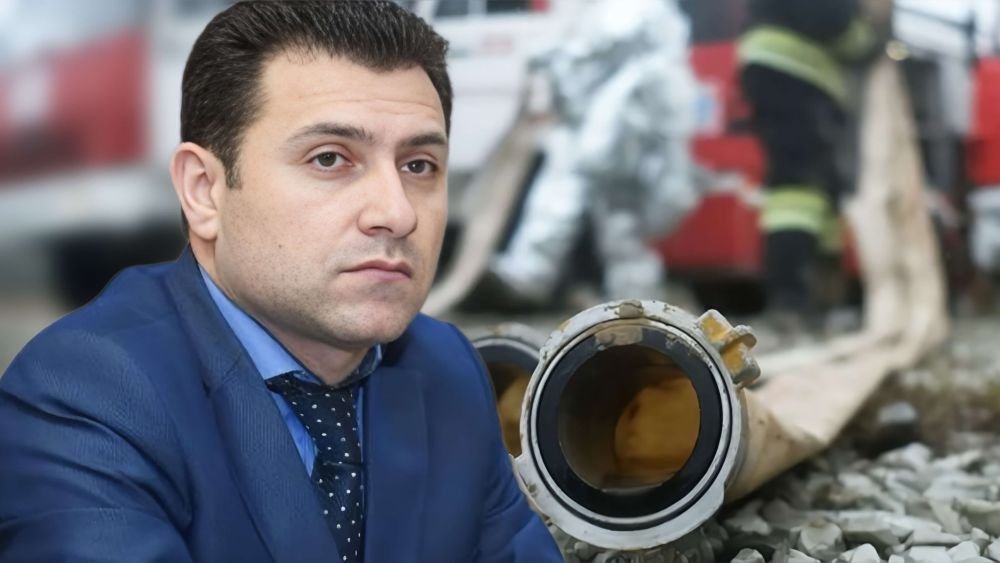
A growing number of fires in newly built residential towers in Baku is raising concerns about construction quality, electrical safety and gaps in building oversight.
Recent incidents – including the large blaze in Yasamal district, believed to have started from electrical wiring – have intensified public scrutiny. Similar fires have occurred in other new high-rise complexes, prompting the question: are developers properly overseeing electrical installations?
According to Kaspi newspaper, real-estate and construction specialist Elnur Azadov says Azerbaijan has clear construction norms, but many developers attempt to cut costs during the building phase.
“Even when materials formally meet standards, some still contain hidden defects. Low-quality products are imported into the country, and faults appear after several years of use. Cable shafts and technical rooms in new buildings have caught fire many times,” Azadov said, adding that improper operation of equipment further increases risks.
He argues that one of the biggest gaps is in building management:
“No matter how durable the wiring is, external interference leads to accidents. In Azerbaijan, non-residential areas of buildings are often controlled by the construction company, which then rents or sells them. They are used in ways never planned in the original project, creating overloads on the system.”
Security expert Elmar Nuraliev says electrical inspections are mandatory for commercial sites, but not for individual residential units, leaving thousands of households effectively unchecked.
“Today, apartments use more electrical devices than buildings were designed for years ago. If the wiring is outdated or the load exceeds the norm, overheating and short circuits occur. For older buildings, this is especially dangerous,” Nuraliev noted.
The Ministry of Emergency Situations confirmed that it conducts fire-safety inspections, but not specifically the technical oversight of electrical wiring. Checks are carried out according to the law on regulating business inspections, and only for legally registered commercial entities.
“Electrical installations must comply with standards, and documentation proving compliance is required from the inspected business. If it is missing, inspectors issue violations and demand corrective measures,” the ministry said.
State agencies also clarified responsibility boundaries:
“Azerishiq” installs meters and connects buildings to the grid but does not oversee internal wiring.
The State Committee for Urban Planning and Architecture sets construction norms but does not supervise maintenance.
Construction standards require automatic protection systems against short circuits, overload and leakage currents. Cable shafts must be built from fire-resistant materials, and electrical panels must be accessible from outside apartments for emergency response. However, experts warn that implementation remains inconsistent.
As Baku’s skyline grows, specialists say systemic oversight – from construction to daily operation – must improve to prevent further fires in new residential complexes.