Seafood has steadily moved from niche indulgence to a familiar part of the Azerbaijani diet in recent years.
But as demand grows, prices for many items continue to rise – and some varieties have become true luxury goods.
At the top of the price list are crabs, imported primarily from Russia. A single kilogram costs 190 manats, making it one of the most expensive seafood products available in the country and a delicacy reserved for special occasions.
By contrast, local live crayfish remain among the most popular and accessible options on the market, typically selling for 25–30 manats per kilogram.
Why Prices Are Rising
Seafood trader Tamerlan Gasymov says overall demand has not surged dramatically compared with last year, but prices for most products have remained consistently high.
“Pricing depends on many factors – product size, seasonal catch levels, and for imports, logistics, customs duties and currency fluctuations,” he said.
Shrimp: From Budget Options to Premium Picks
Shrimp dominate the seafood selection in Azerbaijani markets:
Local small sea shrimp – around 8 manats/kg
Mixed ready-to-eat shrimp – 15 manats/kg
Premium selections – 35–50 manats/kg
Gasymov adds that Mingachevir shrimp, known for their larger size, cost about 40 manats/kg because their peak season has not yet started. Smaller varieties currently sell for 12 manats/kg.
Imported options are also widely available: cleaned, ready-to-cook Chinese shrimp sell for 30 manats per kilogram pack. Langoustines, increasingly popular among consumers, are priced at 25 manats/kg in boiled form.
A Diverse and Expanding Market
Seafood offerings extend well beyond shrimp:
Boiled crayfish (local) – 30 manats/kg
Malaysian shrimp – 70 manats/kg
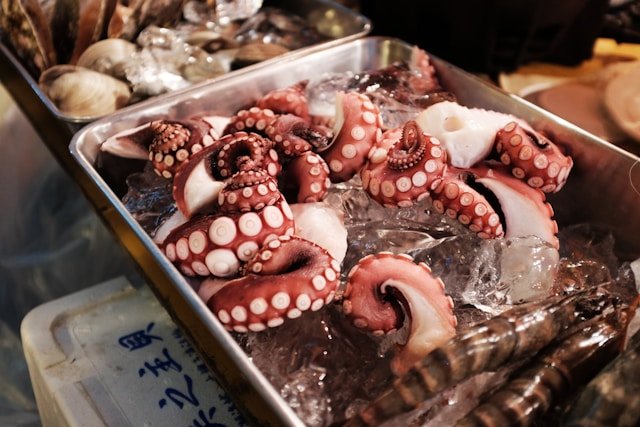
Octopus – 50 manats per pack, or 3 manats each when sold individually
Black mussels – 22 manats/kg
Interestingly, the price gap between raw and cooked products is just 2–3 manats. According to Gasymov, this small difference reflects the cost of additional spices and ingredients used during preparation.
As seafood continues its rise in popularity, market trends suggest that prices – especially for premium imports – will remain high in the near future, keeping some varieties firmly in the “occasion-only” category.