Russia’s Foreign Ministry has dismissed allegations that Moscow is waging a “hybrid war” against Armenia, calling the claims politically motivated and noting that such accusations coincide with the persecution of pro-Russian figures within Armenia.
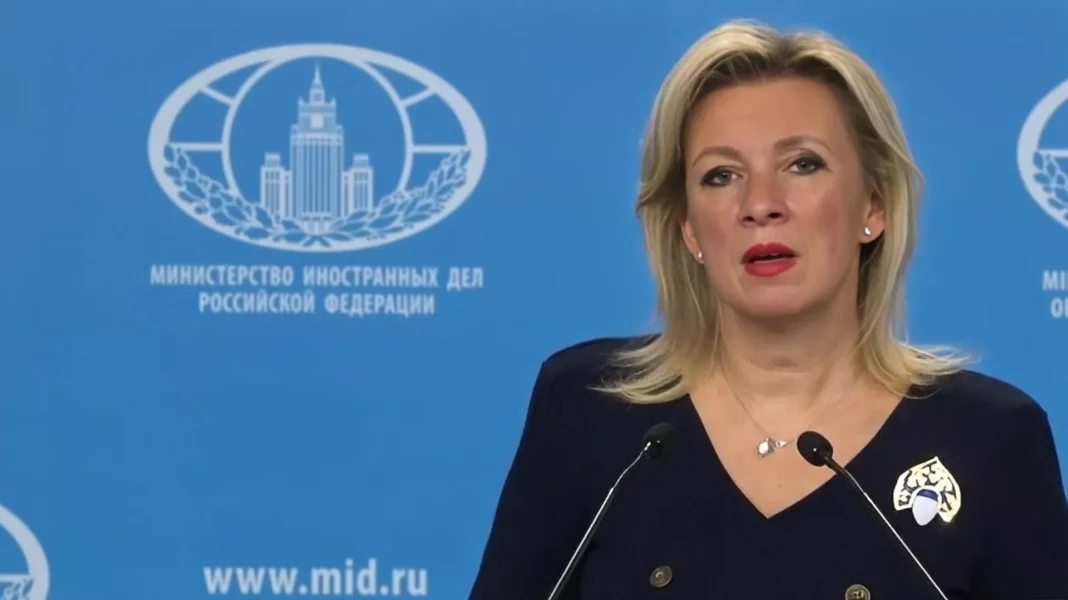
In a statement, Foreign Ministry spokesperson Maria Zakharova said Moscow “rejects such an approach,” stressing that Russia “has always respected and will continue to respect the sovereign choice of every nation.”
.
“We cannot fail to note that statements about a so-called ‘hybrid war’ against Armenia come against the backdrop of persecution of those in the republic who support closer ties with our country,” Zakharova said, drawing parallels with developments in Moldova.
She added that Moscow is ready to discuss any concerns raised by Armenian counterparts “both through parliamentary channels and via the consultations we have proposed between relevant ministries – including, if necessary, to correct the emerging media narrative surrounding Russian-Armenian relations.”
Zakharova also recalled that the concept of ‘hybrid warfare’ was coined and first practiced by U.S. military theorists, noting that “Western countries once again demonstrated their hybrid methods in neighboring Georgia, where they grossly interfered in domestic politics, fueled protest moods, and pressured Tbilisi with political blackmail under the guise of European integration.”
The Russian diplomat stressed that Russia remains a reliable ally of Armenia:
“Moscow has always promptly come to the aid of the brotherly Armenian people. In June 2024, Russian specialists restored a flood-damaged railway line in northern Armenia within weeks. In November this year, the first wheat shipment from Russia to Armenia arrived via the reopened railway route through Azerbaijan and Georgia.”
Zakharova noted that this new trade route became possible thanks to the efforts of the trilateral working group on reopening regional communications and the agreements reached by the leaders of Russia, Armenia, and Azerbaijan between 2020 and 2022.
“In facilitating normalization between the South Caucasus countries, Russia acts strictly in line with their sovereign national interests,” she said. “As for the West’s mediation efforts, they have yet to stand the test of time.”