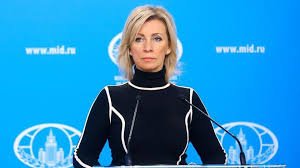
Moscow, July 9 — Russia’s Foreign Ministry spokesperson Maria Zakharova confirmed today that Moscow continues to maintain law enforcement channels of communication with Azerbaijan, amid recent tensions and a growing diplomatic strain.
“We are in contact with the Azerbaijani side on this issue, including through law enforcement agencies,” Zakharova said at a press briefing. “We are convinced that all emerging issues must be resolved in a spirit of partnership, using the existing political and diplomatic channels.”
What’s Behind the Strain?
Relations between the two countries have become increasingly fraught since late June, when a violent police raid in Yekaterinburg, Russia, resulted in the deaths of two Azerbaijani brothers. Baku accused Russian authorities of torture and extrajudicial killings, prompting Azerbaijan to launch a criminal investigation
In response, Azerbaijan raided the offices of Sputnik Azerbaijan, arresting several journalists, and detained multiple Russian nationals on charges ranging from fraud to drug trafficking and cybercrime. Russia strongly protested these actions, further escalating tensions.
Additional rings of discord include:
Azerbaijan canceling cultural exchanges and diplomatic visits, including halting a planned trip by Russia’s Deputy Prime Minister.
A December 2024 incident involving the downing of an Azerbaijani passenger jet, which Baku attributes to a Russian missile. This prompted demands for accountability and compensation from Azerbaijan.
Diplomatic Balancing Act
Zakharova’s remark signals that, despite public posturing, both sides recognize the need to de-escalate and preserve pragmatic cooperation via law enforcement and diplomatic pathways.
Analysts note that Russia views Azerbaijan as strategically important—especially for regional security frameworks like CARICC and TAKM, and as part of broader Eurasian anti-terror and border cooperation. However, Azerbaijan’s increasingly assertive stance and moves closer to Turkey and Israel indicate a shift toward diversification of its international partnerships.
What to Watch Next
Progress in investigations: Russia must respond credibly about the deaths in Yekaterinburg; Azerbaijan expects accountability. Conversely, Baku faces scrutiny over its detentions of Russian citizens and journalists.
Diplomatic thaw vs. further tit-for-tat moves: Will existing communication channels lead to resolution, or are we heading toward a sustained rift?
Wider geopolitical shifts: With the South Caucasus turning away from Moscow, the handling of this crisis could signal whether Russia still wields influence—or if its presence is waning.