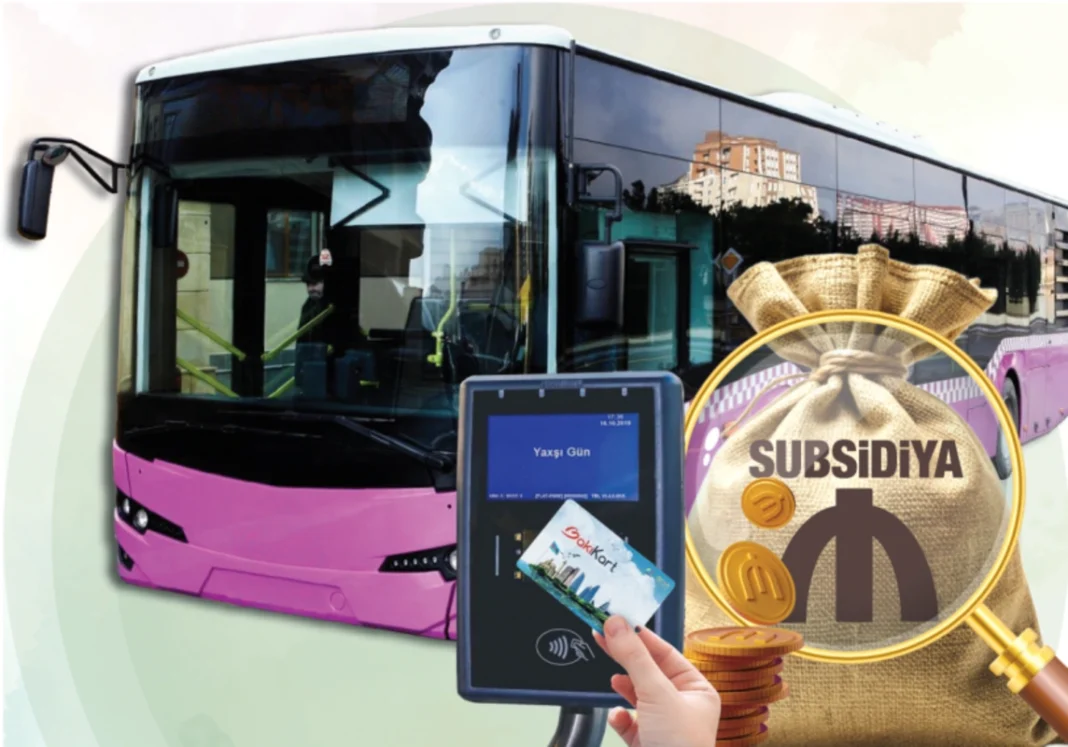
Baku, August 18, 2025. The state of Baku’s public transport system, especially bus operations, has become a subject of growing debate. Private carriers say the situation is worsening, claiming they have been operating at a loss for years. They point to low, state-regulated fares, rising costs, heavy import taxes on new buses, and what they describe as unfair competition with the state operator.
Companies argue that a “distorted market” has emerged, where those investing in modern vehicles and meeting standards face higher costs, while others cutting corners remain in operation under the same status.
Private operators vs. the state
Last week, Faiq Seyidov, head of the private operator Xaliq Faiqoğlu LLC, told to Kaspi.Az, that his company is running at a loss. Current ticket prices, he said, only partially cover operating expenses, leaving fleet upgrades dependent on bank loans:
“This creates an unequal environment. While the state-owned BakuBus receives regular budget support, private firms are forced to continue operations through debt and high tax burdens.”
This has raised questions about whether government support should be extended more fairly across the sector.
Expert calls for subsidies and reforms
Transport expert Rauf Agamirzayev says that with current tariffs, covering expenses is almost impossible. He recommends moving to gross-cost contracts, a system where the state pays operators per kilometer, supplemented by subsidies:
“Such a model would make the sector more profitable and encourage banks to provide loans with lower risk. Subsidies would accelerate fleet renewal and allow companies to introduce ticket packages — daily, weekly, monthly — giving passengers cheaper options. Students, veterans, and pensioners could also benefit from targeted discounts.”
Agamirzayev added that financial stability is essential if authorities expect carriers to maintain high standards.
A matter of necessity, not choice
The expert recalled that subsidies were previously available for diesel buses until 2023, while incentives for electric buses also proved short-lived. Meanwhile, rising fuel and spare part costs have driven operators into deeper financial strain.
“Most countries subsidize public transport to ensure sustainability,” he said. “The same approach is crucial for Azerbaijan.”
Parliamentary support for subsidies
MP Naqif Hamzayev echoed the call, stressing that reforms in recent years have improved the system but not eliminated problems:
“We still see outdated buses outside central districts. Operators are trying to renew their fleets, but without government support, this remains limited. Subsidies would not only ensure quality service but also allow for social discounts, especially for students, schoolchildren, and teachers.”
According to Hamzayev, such measures would both improve service quality and encourage more citizens to use public transport.

