Azerbaijan.US
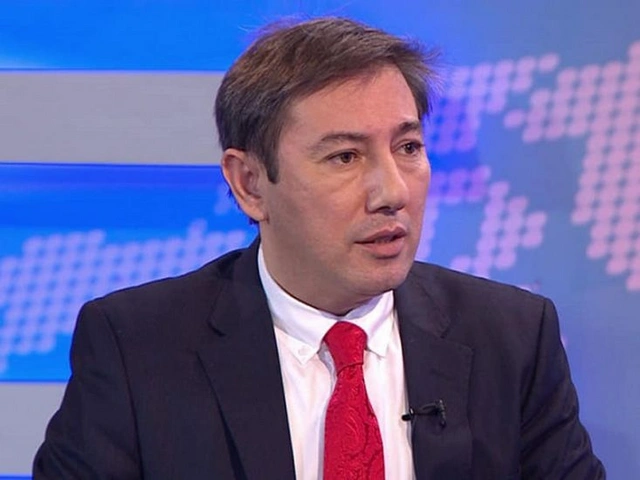
Speaking on Daily Europe Online, political analyst Ilgar Velizade said that the latest wave of protests in Iran has failed to produce a revolutionary outcome, but has nonetheless accelerated structural changes inside the country.
According to Velizade, while the current protest movement is gradually losing momentum, protest activity as a broader phenomenon is expanding. Each new wave, he noted, brings more people into political engagement and contributes to a gradual shift in public discourse.
“These changes are not always immediately visible, but they accumulate over time and reshape both society and governance,” he said.
Velizade stressed that the key transformations in Iran are unfolding within the system rather than through street politics. In his view, external figures who present themselves as leaders of the protest movement do not represent real centers of power and are often used as temporary political instruments.
“The decisive struggle will not take place between symbolic figures, but among actors inside the system who actually control political and institutional levers,” he argued.
Commenting on calls from abroad urging Iranians to take to the streets, Velizade highlighted the lack of accountability for the consequences of such appeals. He noted that those who encourage protests from outside the country do not bear responsibility for the repression, arrests, and human costs that often follow.
The analyst also pointed to a growing internal debate within Iran’s ruling elite, shaped in part by demographic and generational factors. With the country facing an inevitable leadership transition in the future, he said, competition among internal political groups is likely to intensify regardless of the fate of individual protest movements.
Turning to the regional context, Velizade said Azerbaijan has adopted a restrained and pragmatic approach toward developments in Iran. Unlike some neighboring states, Baku is not acting according to external political scripts, but is instead guided by an understanding of Iran’s internal dynamics and the importance of maintaining regional stability.
In conclusion, Velizade emphasized that while the protests did not bring immediate political change, they have altered the trajectory of Iran’s political evolution.
“There may be no revolution today,” he said, “but the process itself cannot be reversed.”