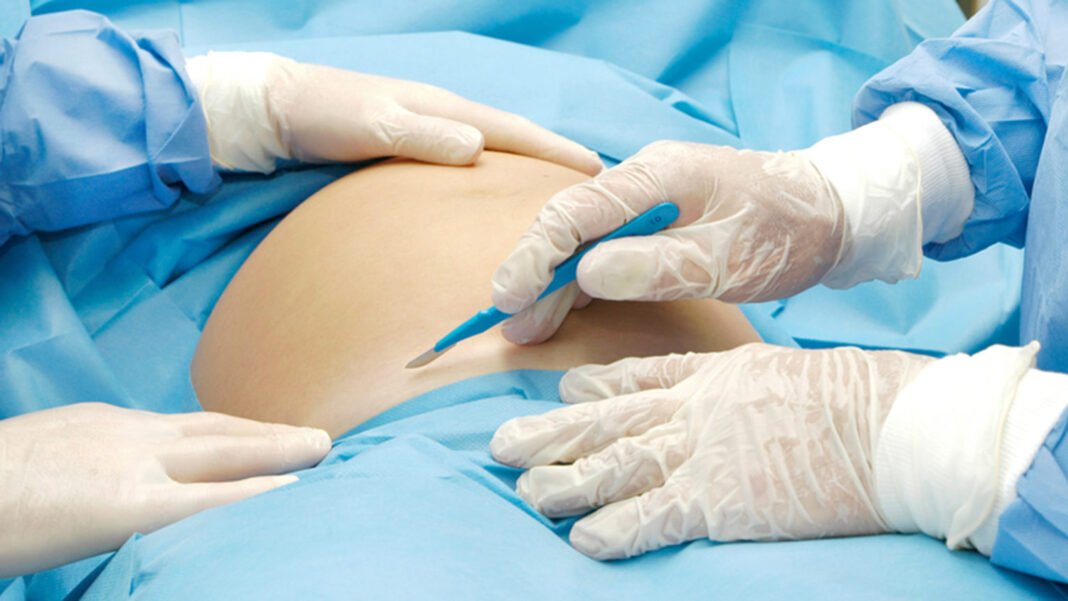
Baku, July 14, 2025 — In Azerbaijan, the choice between natural childbirth and cesarean section remains a key concern for expectant mothers. According to Dr. Tugrahanim Alinaghiyeva, an obstetrician-gynecologist at the Ministry of Health’s Research Institute of Obstetrics and Gynecology, the method of delivery should always be guided by medical necessity—not personal preference or popular myths.
When Is Natural Birth an Option?
“For most women with a healthy pregnancy, natural birth is the safest and most beneficial route,” says Dr. Alinaghiyeva. “If there are no complications for the mother or baby, it’s the optimal method. But when there’s a risk to either, the doctor may recommend a C-section.”
The Benefits of Natural Delivery
Natural childbirth has numerous health benefits. It typically involves fewer complications, shorter hospital stays, and faster recovery. Women who deliver vaginally can often resume normal activities within six to eight weeks—compared to up to 12 weeks after a cesarean.
For babies, vaginal birth can boost early immunity. As they pass through the birth canal, they’re exposed to beneficial bacteria that help develop their immune system. Hormonal changes during labor also help newborns adapt more easily to life outside the womb. Immediate skin-to-skin contact after birth promotes bonding and stabilizes body temperature.
Signs That Labor Is Near
Pregnancy typically lasts 37 to 42 weeks. Early signs of labor may begin around week 36 and include a lowered belly, loss of the mucus plug, false labor contractions (Braxton Hicks), and even a sudden urge to clean or organize—a behavior often called the “nesting instinct.”
When Is a C-Section Necessary?
While natural birth is preferred, a cesarean may be medically required in cases such as breech position, multiple births, placental complications, or previous uterine surgeries. C-sections carry their own risks—bleeding, infection, and longer recovery—but can be lifesaving when complications arise.
“C-section is a serious surgery and should only be done based on medical evidence,” says Dr. Alinaghiyeva. “Decisions must be personalized, based on both the mother’s and baby’s health.”
What Should Expectant Mothers Know?
Regular prenatal checkups and honest conversations with healthcare providers are crucial. There’s no one-size-fits-all approach, but one principle remains constant: a healthy mother means a healthy baby.
That, says Dr. Alinaghiyeva, is the guiding motto of every responsible obstetrician.