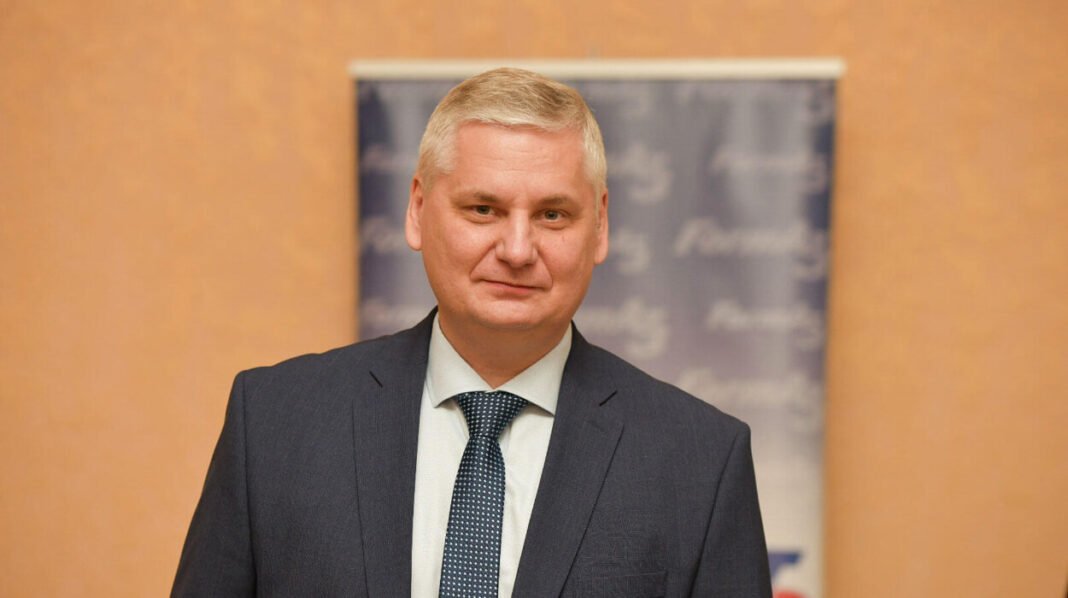
Online, September 23, 2025
Five years after the 44-day war reshaped the South Caucasus, Sergey Markedonov, a leading research fellow at MGIMO and editor-in-chief of International Analytics, says the core shift is political reality: the de-facto Armenian Karabakh that existed from 1991 to 2023 “is over,” and Karabakh today is under Azerbaijan’s control. But he cautions against absolutist language.
“The Armenian Karabakh, as a reality, existed from 1991 to 2023. Today we see an Azerbaijani Karabakh,” Markedonov said on Echo Baku’s YouTube channel. “Still, never say ‘never’ – history rarely freezes ‘forever’.”
Mixed past, political present
Pushing back on “primordial ownership” narratives, the historian stressed that Karabakh was historically a mixed space for both Armenians and Azerbaijanis. “Politics – not mythology – decides ownership in the present,” he said.
Why 2020 happened
Markedonov traces the 2020 war to a long-running identity clash, sharpened by the Tovuz border flare-up and domestic pressures. He noted Baku had always kept the force option on the table.
Russia’s line: integrity yes, war no
Moscow, he argued, never questioned Azerbaijan’s territorial integrity, while trying to keep a diplomatic track alive where territorial integrity and self-determination would be pursued peacefully.
“The plan was talks, not a victorious march by either side,” he said, recalling the Minsk Group logic and subsequent trilateral statements.
Russia, he added, suffered image costs in 2020 for not acting “like Turkey,” yet gained a temporary moderating role through its peacekeeping footprint – leverage that eroded with the 2023 reset.
No secret ‘grand bargain’
Markedonov dismissed claims of a hidden Russia – Turkey deal trading influence across regions. He called such assertions “analogies to 1921, not evidence.”
After 2023: new equations with Baku and Yerevan
The 2023 outcome, he said, reconfigured Moscow’s relations with both Azerbaijan and Armenia. Russia will “work with realities, not chase phantoms,” and is unlikely to attempt a pre-2020 rewind.
On the exodus of Armenians from Karabakh
He cautioned against framing departures as a free choice:
“People chose safety amid fear and shelling. Trauma exists on both sides. If you ignore that, you plant problems for the future.”
The war ended an era and established a new status quo favorable to Baku, but the region’s stability depends on sober politics, not “forever” narratives.