Azerbaijan.US
Utility payments in Azerbaijan’s regions should be lower than in the capital, lawmakers and experts say, warning that uniform tariffs are accelerating internal migration and deepening the imbalance between Baku and the rest of the country.
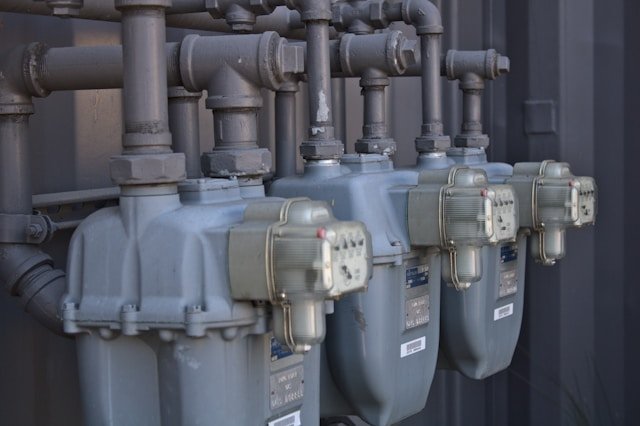
Currently, residents of rural areas pay the same rates for gas and water as those living in the capital, despite significantly different living conditions and income levels. According to analysts, this disparity places an additional burden on households outside Baku and encourages people to relocate in search of better opportunities.
“When living costs are nearly the same but access to jobs, services, and infrastructure is not, people inevitably move,” experts note. As a result, migration from remote and border villages to district centers and large cities has intensified in recent years.
Pressure on Baku, shortages in regions
The population inflow has placed growing pressure on Baku’s transport system, housing market, and labor market. Specialists point out that competition for jobs in the capital has become increasingly intense, with dozens of applicants often competing for a single position.
At the same time, many regions are facing the opposite problem. Rural areas and small towns report shortages of doctors, teachers, and other essential professionals – a trend closely linked to declining population levels.
“This imbalance in settlement patterns affects not only the economy but also access to basic public services,” analysts say.
Calls for a comprehensive state program
Lawmakers argue that restoring balance requires a comprehensive state program based on detailed demographic data. Such a program, they say, should assess how population levels in different regions have changed over time and identify areas where decline is most severe.
Proposed measures include differentiated utility tariffs, higher salaries for employees working in regions, tax incentives, and targeted development programs. However, experts stress that financial measures alone will not be sufficient.
“Economic incentives are important, but social and cultural development matters just as much,” analysts argue. “People should not feel that life in the regions is fundamentally inferior to life in the capital.”
Economist Natig Jafarli noted that regional development has been discussed in parliament for years, yet many proposals have failed to move beyond the planning stage.
“The situation becomes more complicated every year. If decisions continue to be delayed, the consequences will be even more severe,” he said.
Long-term risks
Experts warn that if the current pace of youth migration continues, some regions could face serious demographic challenges within the next 10 to 20 years. An aging population and shrinking workforce, they caution, would make long-term recovery increasingly difficult.
For policymakers, the debate over utility pricing has thus become part of a broader question: how to make regional life economically viable and socially attractive in the long run.

