Tehran — August 27, 2025
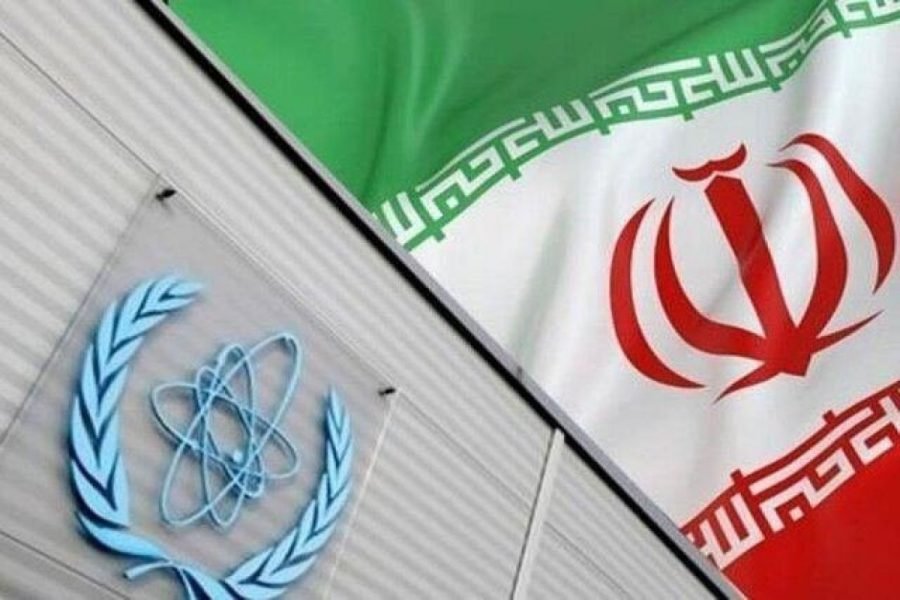
Iran could end its cooperation with the International Atomic Energy Agency (IAEA) if the so-called “E3” — the United Kingdom, Germany, and France — trigger the UN snapback mechanism to reinstate sanctions, Deputy Foreign Minister Kazem Gharibabadi said on state television.
“We have made it clear to the European countries that if they initiate the snapback mechanism, Iran will, of course, take the necessary retaliatory steps,” Gharibabadi stated. “We also told them that in such a case, all cooperation and interaction with the International Atomic Energy Agency will be completely jeopardized and effectively terminated.”
The warning comes as Western nations set the end of August as the deadline for reaching a new nuclear deal. Without progress, the E3 plan to activate the mechanism that would restore UN Security Council sanctions against Tehran. Iran has previously threatened to withdraw from the Nuclear Non-Proliferation Treaty (NPT) if sanctions are revived.
Talks between Iranian and European deputy foreign ministers took place in Geneva on August 26. Discussions covered sanctions relief, ongoing disputes over Tehran’s nuclear program, and European demands for Iran to restore IAEA inspectors’ access to nuclear sites and resume negotiations on a new agreement. Western countries could trigger the snapback mechanism as early as October 18.
Following the consultations, Gharibabadi reiterated that Iran remains a supporter of diplomacy and of finding mutually beneficial solutions. However, according to the Associated Press, the talks ended without tangible results, meaning IAEA inspectors will not yet be granted access to Iranian nuclear facilities damaged in U.S. and Israeli strikes.
The “E3” represents a reduced format of the original group of six powers that negotiated with Iran until 2015 over its nuclear program. Alongside the European trio, the full “P5+1” also included Russia, China, and the United States.
The Joint Comprehensive Plan of Action (JCPOA) was signed on July 14, 2015, ending a crisis that began in 2004 when Western nations accused Iran of seeking nuclear weapons. But the fragile balance collapsed in 2018, when then-U.S. President Donald Trump unilaterally withdrew from the deal.
Since then, efforts to revive the accord have stalled. Tehran’s latest threats — to sever cooperation with the IAEA and potentially leave the NPT — highlight the risk of a renewed escalation around Iran’s nuclear program, raising fears of yet another flashpoint in the Middle East.