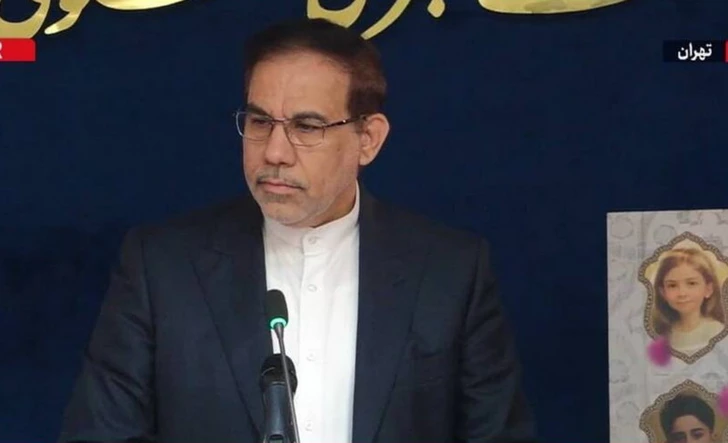
TEHRAN — Iranian authorities have launched criminal proceedings against at least 50 people accused of “spreading rumors” and “creating panic” on social media in the aftermath of recent Israeli airstrikes and a 12-day military standoff, according to Asghar Jahangir, a senior representative of the Iranian judiciary.
Speaking at a press conference on Tuesday, Jahangir said the individuals are facing charges for allegedly disseminating false information online with the intent to disrupt public order and cause widespread fear.
“These people deliberately circulated misinformation across social media platforms in order to create anxiety, confusion, and fear in society,” he stated. “The judiciary views such behavior as a threat to national security, particularly during times of heightened regional tension.”
Stay Ahead with Azerbaijan.usGet exclusive translations, top stories, and analysis — straight to your inbox.
The identities of the accused have not been disclosed, but authorities claim the suspects were involved in sharing unverified news about air defenses, casualties, and rumors of internal unrest, much of it spreading in the chaotic hours after Israel’s reported aerial attack earlier this month.
The prosecutions come amid a tense political climate in Iran, where public trust has been shaken by economic difficulties, growing censorship, and concerns over the government’s transparency during national security crises. Following the Israeli strikes, many Iranians turned to unofficial channels and Telegram groups for updates, as state media remained largely silent or vague.
Jahangir emphasized that while freedom of expression remains “a constitutional right,” it “does not extend to undermining public confidence or destabilizing society.”
Critics, however, see the move as part of a broader campaign to silence dissent and control online discourse. International rights organizations have repeatedly accused Iranian authorities of using vague charges such as “propaganda against the system” or “disturbing public order” to justify arrests of journalists, activists, and ordinary citizens who criticize the government online.
According to sources inside Iran, several of the detained individuals are social media influencers, citizen journalists, or administrators of Telegram and Instagram pages with significant followings. Some had previously covered sensitive topics such as government mismanagement, the economic crisis, and civil unrest.
The clampdown is being framed by the judiciary as a necessary step to preserve national unity in the face of external threats. “We are in a critical time when national cohesion must be preserved,” Jahangir said. “Those who deliberately try to disrupt it will be held accountable.”
Legal experts and civil society activists warn that the prosecutions could deepen public distrust and have a chilling effect on online speech. “This is not about public safety,” said an Iranian lawyer who requested anonymity. “It’s about controlling the narrative.”
The Iranian government has a long history of restricting digital freedoms, including frequent internet blackouts, widespread filtering of social media platforms, and the surveillance of online activity. With growing regional instability and internal discontent, analysts fear that Tehran may further escalate its crackdown on digital spaces in the coming months.
The judiciary has not indicated when trials for the accused will begin, nor has it clarified the potential sentences they may face. But under Iranian law, “disrupting public opinion” through cyberspace can carry prison terms ranging from several months to multiple years.
The developments come as tensions remain high in the region and Tehran seeks to project strength both externally and domestically. For many Iranians, however, the legal actions are seen not as a show of stability — but as yet another reminder of the shrinking space for free expression.