In a highly unusual move rarely seen in global financial practice, the government of Azerbaijan reportedly asked an international credit rating agency to lower the country’s sovereign rating.
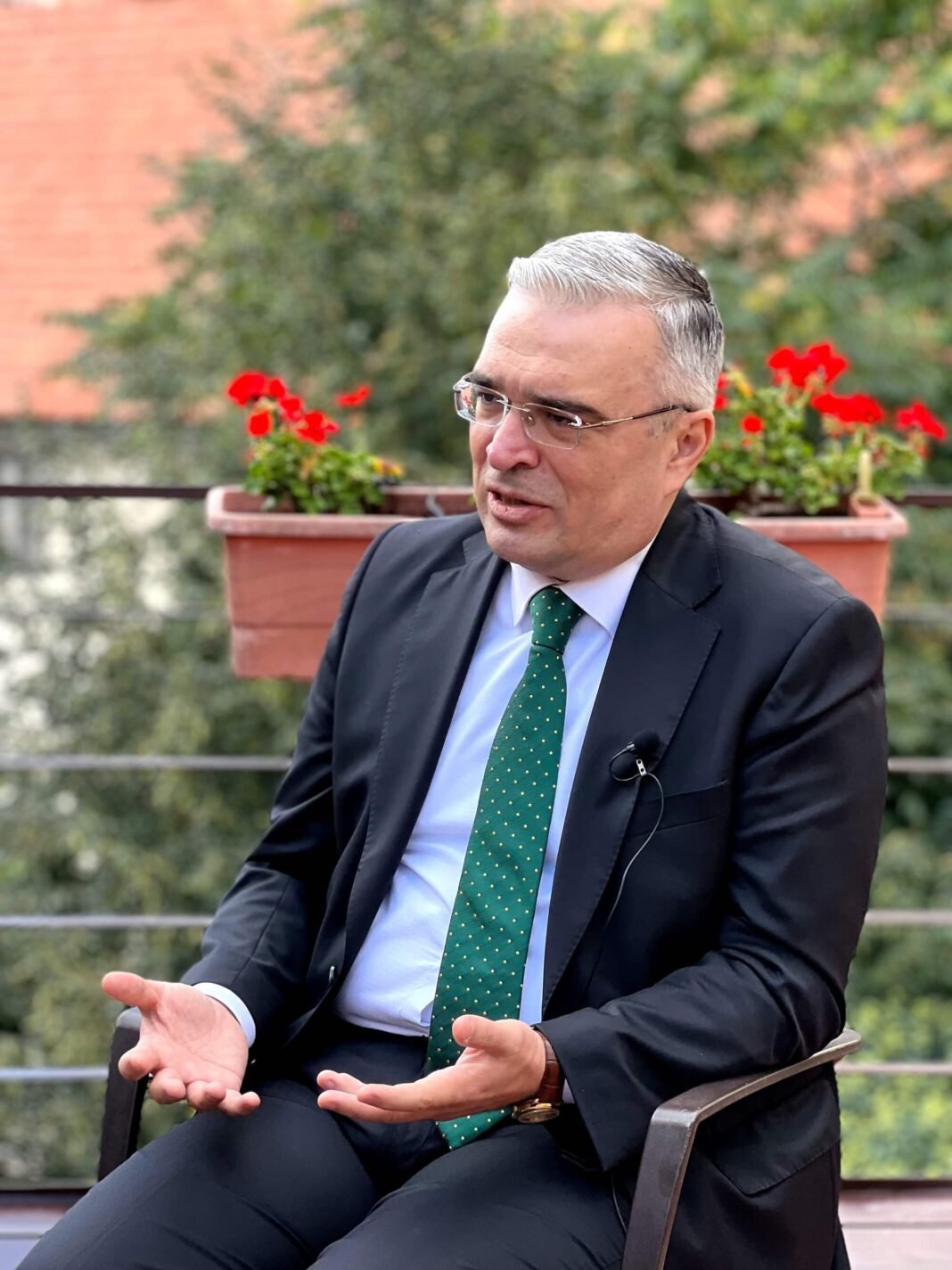
The claim was made by Ilgar Mammadov, founding member of the Republican Alternative (REAL) Party, in a detailed analysis posted on his Facebook page.
Mammadov called the decision “unprecedented” and “extraordinary,” noting that in the world of public finance, such situations typically appear only in theoretical textbooks.
“Every country works to improve its rating so that both the state and domestic companies can borrow on better terms in global markets. Azerbaijan, perhaps for the first time in world history, directly requested the opposite,” he wrote.
According to the opposition figure, the government did not provide a clear rationale – leaving only room for informed speculation. He outlined five possible explanations, none of which, in his view, indicate positive economic trends.
Scenario 1: Preparing to Restructure External Debt
Mammadov notes that nearly half of Azerbaijan’s external debt must be repaid in the next few years. If the government plans to ask creditors for an extension, a strong rating would undermine such a request.
“Instead of creating new and diversified wealth, the government is balancing between oil revenues and debt. This is a sign of decline,” he argued.
Scenario 2: Rating Does Not Reflect Recent Fiscal Pressures
The REAL Party member suggests that the agency may have upgraded Azerbaijan’s rating without accounting for the newly approved increases in taxes and penalties.
“Higher taxes and fines mean the state’s financial position is not as strong as presented. The government’s request confirms that the optimistic rhetoric during the budget debate was empty talk.”
Scenario 3: Preparing to Sell State Assets
Mammadov speculates that the cabinet may intend to sell some of the country’s most reliable assets – shares or securities.
Lowering the rating before such sales could prevent a sharp, politically damaging downgrade afterward.
“This implies a shift to riskier investments – like a person with dwindling income buying lottery tickets.”
Scenario 4: Internal Conflict With Major State-Owned Companies
Some large SOEs can borrow abroad independently. According to Mammadov, they may have lobbied for cheaper loans using the state’s rising rating – and the government sought to block this by requesting a downgrade.
“This exposes the primitiveness of the financial market and shows that management is driven not by efficiency, but by corruption and personal influence.”
Scenario 5: Planning a Devaluation Before the 2028 Election Cycle
Mammadov suggests the government may want to carry out an unavoidable devaluation earlier – in 2026 – so that its political impact dissipates before the 2027–2028 electoral period.
“The ruling party is preparing to compensate for economic discontent with intensified political pressure on opponents and ordinary citizens.”
“None of These Scenarios Signal Stability”
Mammadov concludes that all five possibilities point to systemic weaknesses in governance, transparency, and economic management.
“This is not a normal act. Whatever the government’s real motive, it signals stress – not confidence – in Azerbaijan’s economic future.”

