Azerbaijan.US
A new episode on the Press Club brought together journalist Elchin Shikhli, Azerbaijani economist Natig Jafarli, and Armenian conflict analyst Arsen Kharatyan to discuss what they called “high-octane diplomacy” – fuel supplies, transit routes, and the quiet return of economic logic to Azerbaijan-Armenia relations.
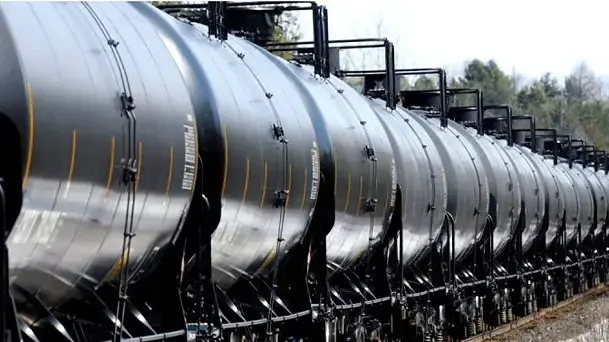
The discussion focused on Azerbaijan’s fuel supplies to Armenia and the broader reopening of regional transit corridors. Kharatyan argued that, for now, the process is driven more by diplomacy than pure economics, serving as a political signal ahead of a comprehensive peace agreement. Still, he noted that the economic benefits are real: Azerbaijani fuel is cheaper than alternative imports, while transit through the region lowers logistics costs.
Jafarli stressed that without economic competitiveness, none of this would work. “Politics and economics are moving together here,” he said, adding that price, geography, and reliability matter as much as diplomatic intent. He pointed to the frequent closures of the Upper Lars route due to weather, calling alternative corridors through Azerbaijan a practical necessity rather than a geopolitical experiment.
Both speakers highlighted the importance of restoring direct road and rail links, including the Ijevan-Gazakh section, arguing that reopening communications would cost relatively little but could fundamentally change regional trade dynamics. They also acknowledged Georgia’s sensitive role as a long-standing transit hub and the need for careful coordination to avoid new frictions.
Beyond logistics, the panel agreed that economic interdependence reduces the risk of renewed conflict. Trade, transit, and small-scale cross-border business may not erase decades of trauma, but they create incentives for stability that military posturing does not.
Addressing concerns about Iran and the U.S.-backed TRIPP route, the speakers said internal developments in Iran are unlikely to derail the project. Instead, progress will depend on synchronizing an Azerbaijan–Armenia peace deal with broader regional normalization, including Turkey–Armenia relations.
The takeaway was blunt: economics will not replace politics, but without trade and transit, a lasting peace in the South Caucasus remains hard to imagine.

