Azerbaijan.US
A proposal to tighten traffic penalties in Azerbaijan has triggered sharp criticism from within parliament, with one lawmaker warning that higher fines without structural reform will only deepen public frustration and fail to solve Baku’s transport crisis.
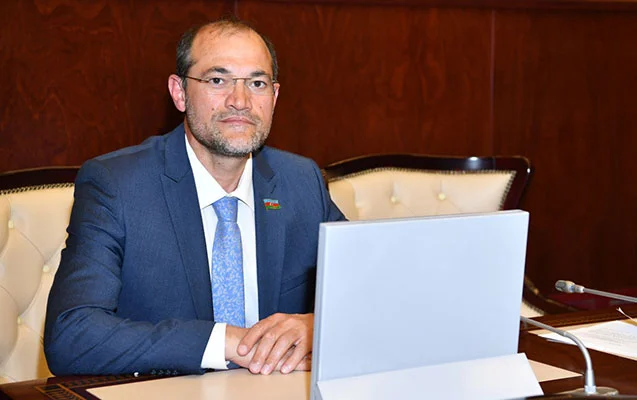
Speaking to local media, MP Razi Nurullayev dismissed the idea that tougher penalties alone could improve road safety, responding to recent comments by Deputy Minister Rahman Hummatov, who argued that stricter enforcement is necessary.
“Calling it ‘safety’ does not automatically make it reform,” Nurullayev said. “What we are seeing is the easiest option being chosen again – shifting responsibility onto citizens instead of fixing long-standing management and planning failures.”
According to the lawmaker, drivers are increasingly trapped in a system where fines accumulate faster than viable alternatives emerge. Under current rules, motorists can reach the 20-point penalty threshold within months, risking the suspension of their driving licenses.
“A fair question arises,” he said. “Why were violations not happening at this scale before? What has changed? If you do not fix the system and offer alternatives, punishing people for navigating chaos is not justice.”
Nurullayev pointed to overcrowded public transport, limited route coverage, and chronic congestion across Baku and surrounding areas. In his view, these factors leave residents with few realistic choices beyond private cars – even as penalties rise.
“Public transport does not meet demand. Buses and the metro are overloaded. The city is choking in traffic,” he said. “In this situation, sending a single message – ‘pay more fines’ – will only increase social tension.”
The MP also criticized what he described as a lack of accountability among institutions responsible for urban planning and transport policy. If the government wants results, he argued, it must first address why roads have lost capacity, why public transport remains unattractive, and why city planning has lagged behind population growth.
A long-term state transport program covering 2025–2030 is already underway, but Nurullayev stressed that implementation must accelerate and focus on outcomes rather than enforcement statistics.
“Reform begins when responsibility is placed on the system, not when citizens are treated as the problem,” he said. “Reaching into people’s pockets under the banner of ‘security’ is not reform.”
The comments reflect growing unease among drivers and commuters, as traffic policy becomes a flashpoint in broader debates over urban governance, public trust, and the balance between enforcement and infrastructure investment.

