Azerbaijan’s Labor Code – a document shaped in the late 1990s and still rooted in Soviet-era regulatory philosophy – is once again at the center of debate as lawmakers review a new package of amendments.
At a session of the Parliamentary Committee on Labor and Social Policy, Adil Valiyev, head of the Social Legislation Department, noted that since 1999 the Labor Code has undergone hundreds of revisions. In total, 457 amendments across 18 laws have been prepared, and 420 of them – or 92% – directly concern the Labor Code itself.
Additional adjustments affect laws on trade unions, social insurance, child protection, disability rights, targeted social assistance, unemployment insurance, and employment. Valiyev stressed that many of these changes are “harmonization updates” tied to the broader revision of the Labor Code.
“The Code Still Reflects a Soviet Mindset” – Legal Expert
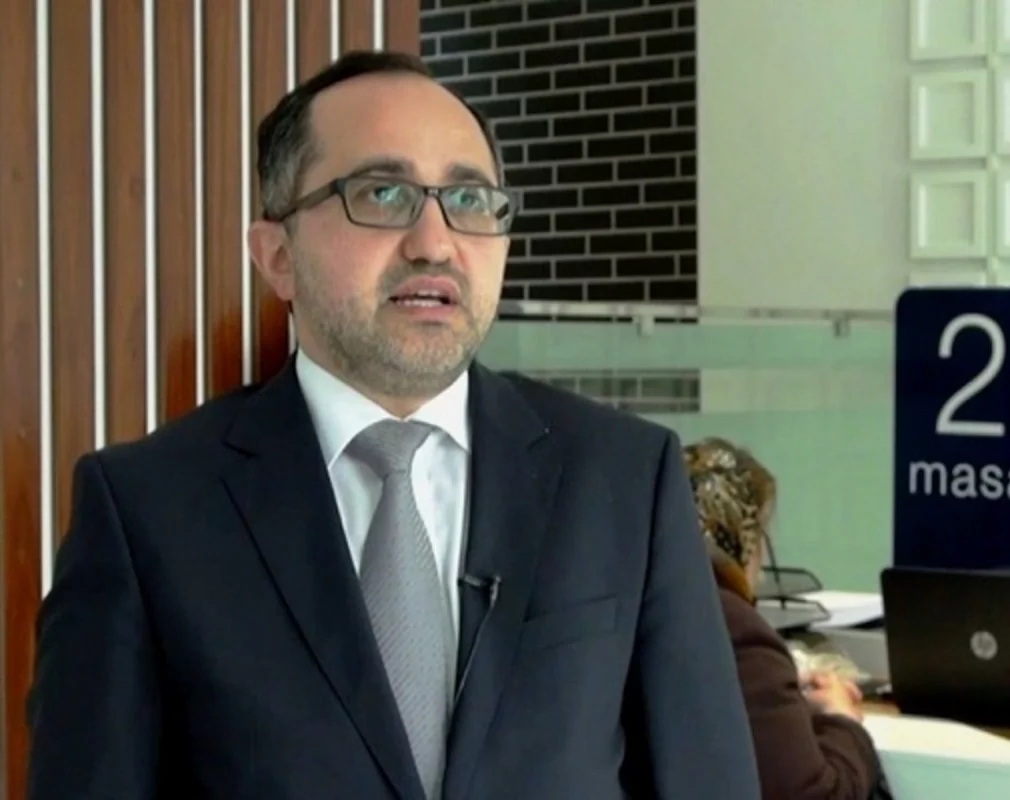
Legal expert Akram Hasanov says the current Labor Code creates real difficulties for both sides of the employment relationship.
“The philosophy of the Code assumes every worker is a state employee who must be maximally protected. But in reality, excessively rigid rules harm both workers and employers,” he told Musavat.com.
He points to several chronic problems:
strict dismissal procedures that give employers almost no flexibility,
rigid working-time regulations,
complex and often impractical layoff procedures.
According to Hasanov, when an employer cannot terminate staff for business reasons, it often leads to informal pressure tactics: inventing violations, forcing resignations, or manipulating procedural loopholes.
International Practice: Dismissal Allowed, Compensation Guaranteed
Hasanov argues that many countries follow a simpler model:
“An employer may terminate an employee without giving a reason – but must pay compensation. This protects both sides.”
Such a system, he says:
gives workers fair financial protection,
gives employers operational flexibility,
reduces the number of court disputes and opportunities for corruption.
The Contract Issue: Fixed-Term vs. Permanent
Another major flaw, Hasanov notes, is the Code’s restriction on fixed-term contracts.
Current legislation allows such contracts only in specific cases, which he believes is a structural mistake.
He proposes a balanced model:
employers may sign fixed-term contracts,
but if an employee works five consecutive years, the contract automatically becomes permanent.
This, he argues, would align Azerbaijan with international practice and prevent workers from becoming overly dependent on employers.
Reform Is Recognized as Necessary – But Still Unfinished
Despite widespread acknowledgment of the problems, no systemic solution has yet been implemented.
“The Code lacks the flexibility required by a modern market economy. It must protect both sides: the worker and the employer,” Hasanov said.

