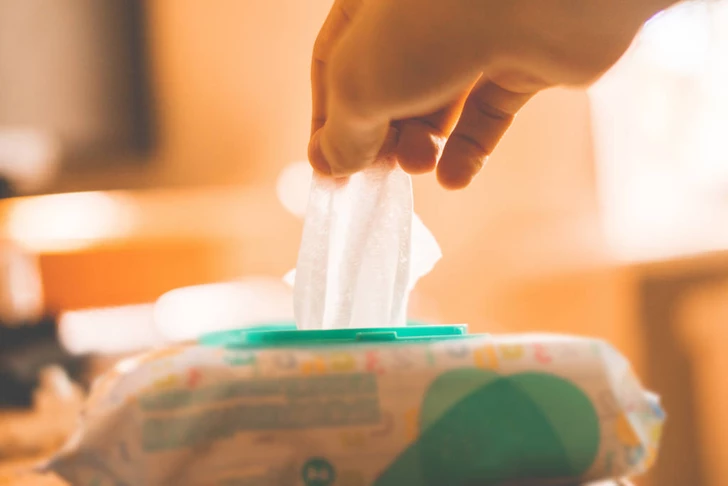
Experts warn: wet wipes take centuries to decompose and turn into microplastics
Wet wipes have become an everyday essential, but environmental experts say their use may soon face restrictions in Azerbaijan, as it already has across parts of Europe. Behind their convenience lies a serious ecological problem that governments are now forced to confront.
Environmental specialist Irada Hasanova explains that the harm begins long before wet wipes reach consumers.
“Producing wet wipes requires enormous amounts of energy and water. But the biggest danger is that they take hundreds of years to decompose. When they finally break down, they turn into microplastics that contaminate soil and water,” she said.
According to Hasanova, the issue is not simply pollution – it directly affects human health.
“When wet wipes enter water bodies, microplastics become part of the food chain. Fish ingest the particles, then end up on our plates. This ultimately leads to various diseases,” she noted.
Data cited by the expert shows that wet wipes contain up to 84% polymers, which can remain in the environment for decades. Globally, more than 14 billion pieces are produced each year, with most disposed of improperly.
Azerbaijan has not yet introduced specific regulations for wet wipes, but Hasanova believes restrictions are likely.
Meanwhile, several countries have already moved ahead.
In Turkey, a full ban on wet wipes containing plastic will come into effect in 2026, attorney Shukru Saridere said.
In the United Kingdom, plastic-based wet wipes are already prohibited, while the Netherlands is considering strict limits on their sale and distribution.

