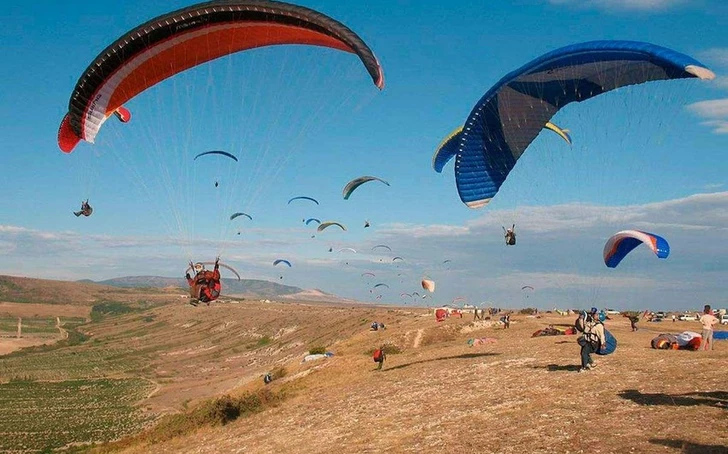
In recent years, extreme tourism has become one of the most attractive and rapidly developing sectors of Azerbaijan’s tourism industry. However, behind the appealing façade of adrenaline-fueled entertainment lies a serious problem – the almost complete lack of regulation and control in a field where the price of a mistake is measured in human lives.
The nature of extreme tourism – high-risk activities, the need for professional training, and the use of specialized equipment – makes it not just a form of recreation but an activity requiring strict legal regulation and safety control. This is why clear standards and control mechanisms for operators, instructors, and tourists are crucial.
Tragedy as a Call to Action
The tragic death of parachutist Nurana Mammadova in the Beshbarmag mountain area in Siyazan confirmed the systemic problems in the industry. This incident not only sparked public outrage but also exposed critical flaws in the safety mechanisms and legal regulation of extreme tourism in the country.

An investigation into the tragedy revealed a range of problems: the lack of clear safety standards, weak control over operators’ activities, uncertainty regarding responsibility, and the absence of specialized legislation. The Azerbaijani Tourism Law does not include a separate section for extreme tourism, creating serious gaps in the regulation of this potentially dangerous field.
Systemic Gaps in Regulation
Samir Dübendi, Chairman of the Hotel and Restaurant Association and Executive Director of the Azerbaijan Ecotourism Association, commented on the critical situation in this area.
“There are no unified standards or mandatory certification and licensing systems for equipment, service quality, or operator qualifications. This means that anyone can start operating in this field – even without proper checks of the operators’ qualifications, equipment safety, or compliance with international standards,” said Dübendi.
According to the expert, such a situation not only poses a threat to the lives and health of tourists but could also significantly undermine Azerbaijan’s reputation as a tourist destination, particularly among foreign visitors, for whom safety guarantees are a key factor in choosing a holiday spot.
A particular concern is the lack of transparent information about the legal basis for the activities of extreme tourism operators in the Beshbarmag mountain area, where the tragedy occurred. It is unclear whether they have the necessary permits and licenses, which suggests the sector’s de facto lack of control.
As a result, some operators, aiming to save costs on safety measures, may use uncertified equipment, avoid training, and ignore warnings about weather conditions. The weakness of legal responsibility contributes to irresponsible behavior.
Contracts as a Tool for Avoiding Responsibility
Jeyhun Ashurov, Head of the Azerbaijan Tourism Professionals Organization, pointed out to Media.Az a common practice where extreme tourism operators use contracts to shift responsibility onto the tourists.
“To minimize risks in extreme tourism, serious training is necessary, along with accurate weather assessments and properly drawn contracts with tourists,” he said.
“Tourists usually sign contracts acknowledging that they take the risks. However, this does not absolve instructors, guides, and operators from responsibility. Any negligence, technical failure, or misjudgment of weather conditions can lead to fatal consequences,” Ashurov emphasized.
Ashurov stressed that the weakness of legal regulation opens the door for abuse by dishonest operators. “Such cases could reduce interest in extreme tourism. However, this field has its audience, and extreme tourism will not disappear entirely. Therefore, it is crucial to ensure the highest level of safety,” said the expert.
International Experience as a Guide for Reform
Experience from developed countries shows the need for a comprehensive approach to extreme tourism, especially parachuting. This experience can serve as a model for Azerbaijan.
In countries such as the U.S., France, Germany, Switzerland, and Australia, a special license is required for organizing parachute jumps. This is considered the foundation for ensuring safety, as only qualified and responsible specialists are allowed to work.
Beginners must undergo professional training courses, including both theoretical and practical stages. Instructors can only be certified and experienced specialists.
In most cases, first jumps are made with an instructor, and full responsibility for safety rests with the instructor. Independent jumps require a separate license. This system allows beginners to gradually master the skills and reduces risks.
Before every flight, parachuting equipment undergoes mandatory technical inspection and certification.
Advanced international experience once again proves that safety in extreme tourism is not limited to personal caution. It must be based on comprehensive and multi-level integration of legal regulation, professional standards, and technical oversight.
The tragedy at Beshbarmag Mountain serves as a painful reminder of the urgent need to review existing safety rules and mechanisms in extreme tourism regulation in Azerbaijan.