The formal shutdown of the OSCE Minsk Group, long considered the main international format for mediating the Armenian-Azerbaijani conflict, has renewed debate about the region’s geopolitical future.
The development coincided with the release in Armenia of historical negotiation documents, including the Madrid and Kazan proposals and a 2016 letter from Serzh Sargsyan to Vladimir Putin.
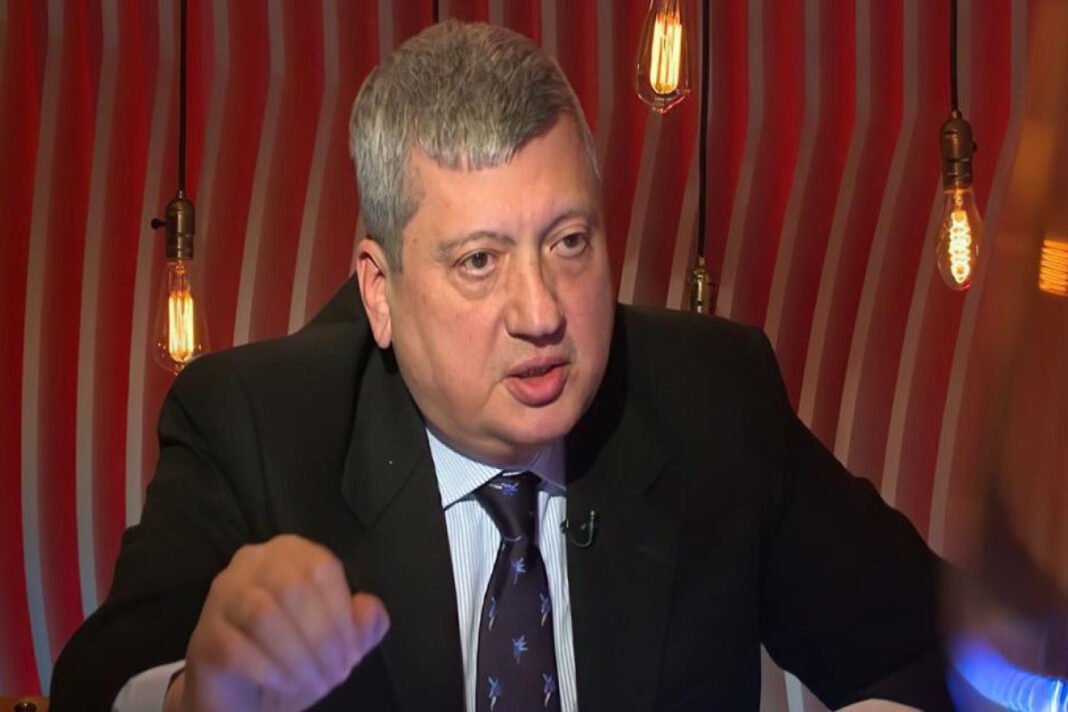
Former Azerbaijani Foreign Minister Tofiq Zulfugarov told Vesti.Az, that documents largely confirm what was already known about earlier diplomacy. Some provisions were discussed and partially coordinated, he notes, but were ultimately rejected by Baku because they did not meet the principles of territorial integrity and international law.
Zulfugarov argues that Azerbaijan’s strategy before 2020 combined negotiations with strengthening its military, given that Armenia was unlikely to withdraw forces voluntarily and the Minsk Group avoided applying meaningful pressure.
“Talks became talks for the sake of talks,” he said. “Azerbaijan wanted a peaceful settlement, but also prepared for the scenario in which international mechanisms would not work.”
According to him, the end of the Minsk Group does not eliminate outside interest in the South Caucasus. The United States, the EU, Russia, Iran, and Türkiye remain key players, though the balance among them is shifting. He points to the growing geopolitical weight of the Turkic world, Washington’s long-term connectivity plans through the TRIPP initiative, and the recalibration of Russian and Iranian policy toward economic rather than coercive tools.
Zulfugarov also sees EU–Azerbaijan relations entering a more pragmatic phase, particularly around transport projects involving Nakhchivan and regional corridors.
“Azerbaijan is no longer an object of regional politics,” he concluded. “It is a state that now shapes the trajectory of the South Caucasus.”

