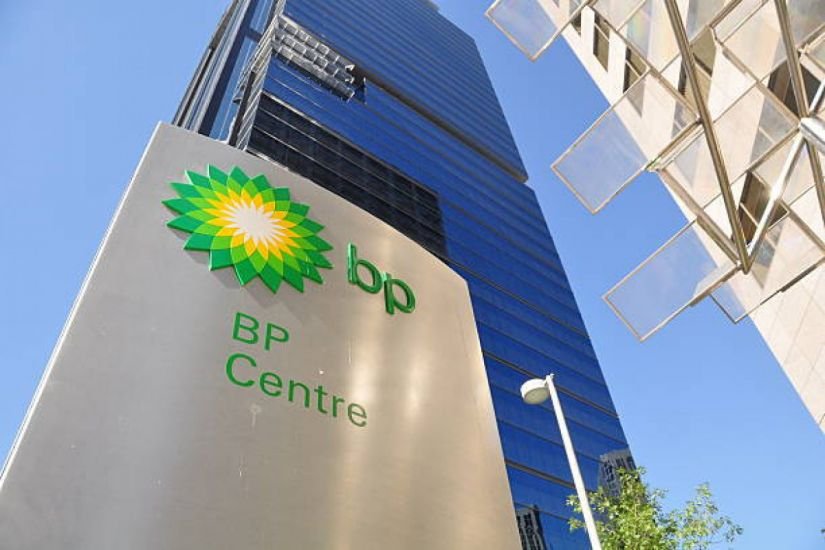
BP has begun negotiations to transfer its operatorship of the Baku–Tbilisi–Ceyhan (BTC) oil pipeline and the Western Route Export Pipeline (Baku–Supsa), the company confirmed to Business Media Georgia through its Georgian office.
According to BP, discussions with relevant stakeholders are underway in line with existing agreements governing the pipeline system. Talks are focused on two key issues:
– the handover of Baku–Supsa facilities located in Georgia to the Georgian Oil and Gas Corporation or an operator designated by the Georgian government;
– the transfer of BTC’s operator duties – including the role of main operator and manager of the South Caucasus Pipeline (SCP) – to SOCAR Midstream.
Despite relinquishing operational control, BP will remain a shareholder in both pipelines, holding 30.1% of BTC and 29.99% of SCP.
If negotiations conclude successfully, the full transfer of operator responsibilities is expected to be completed by the end of the first half of 2026.
BP emphasized that the operatorship transition does not apply to the Sangachal Terminal, one of the region’s most strategic energy hubs. After the handover, BP will continue as operator of the Azeri–Chirag–Gunashli (ACG) oil field, the Shah Deniz gas project, and the Sangachal Terminal, while maintaining its shareholder position in BTC and SCP.
Once the operatorship is transferred in Georgia, BP will conduct an internal assessment, the company said.
Transition aligns with long-standing pipeline agreements
Commenting on reports in Georgian media, Tamam Bayatly, head of BP Azerbaijan’s press office, underscored that the transfer process is not unexpected.
She noted that existing agreements for regional oil and gas export infrastructure have always included provisions for operatorship to revert to relevant governments or state entities at predetermined stages.
She recalled that under the same framework, operatorship of the South Caucasus Pipeline was handed over to SOCAR in both Azerbaijan and Georgia in 2021.
“According to these agreements, the Western Route Export Pipeline (Baku–Supsa) and the Baku–Tbilisi–Ceyhan pipeline are also to be transferred to the relevant authorities of Azerbaijan, Georgia, and Türkiye at the agreed time. Discussions with stakeholders are currently underway to ensure timely planning of this process,” Bayatly said.
Questions for readers
Should Azerbaijan accelerate the transition to national operatorship across all major energy corridors, or is a phased handover the more strategic option?