July 15, 2025 – Baku, Azerbaijan
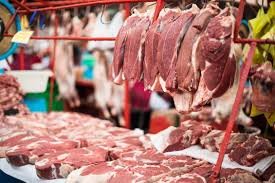
A noticeable spike in beef prices has stirred frustration among consumers in Azerbaijan this week, with the cost of veal rising to 15.5–16 manats per kilogram, up from 15 manats just days ago. The increase is being felt not only in large supermarket chains but also in smaller butcher shops across the country.
While seasonal demand often influences pricing trends, experts say this surge goes beyond typical fluctuations. The root cause, according to economists, lies in a deeper structural problem within Azerbaijan’s livestock sector.
“Meat production in Azerbaijan has been steadily declining year after year,” said Akif Nasirli, a local economist. “Previously, we’d see meat prices drop during the summer months due to lower demand. But now, demand remains — and prices continue to rise.”
Nasirli attributes the trend to a lack of institutional support and poor management in the livestock industry, calling it one of the most neglected sectors in agriculture. He adds that higher summer costs — from cooling livestock facilities to increased disease risk among cattle — are driving up production expenses and thus retail prices.
“In Azerbaijan, most cattle are raised in closed barns, which are expensive to operate during the summer heat,” he explained. “Animal losses increase during this season, especially among calves raised for slaughter.”
Despite the price surge, Nasirli is not optimistic about a future drop. On the contrary, he believes meat prices are unlikely to fall below the current level of 16 manats per kilo anytime soon.
“The cost of production is rising. Unless we see major investment in livestock farming — especially in newly reclaimed territories — we’re unlikely to see relief for consumers.”
Some economists suggest increased meat imports could offer temporary stabilization. Imported meat, often cheaper than domestic products, is becoming more appealing to budget-conscious shoppers. However, critics argue that relying on foreign supply while local production crumbles is not a sustainable long-term solution.
The situation underscores a broader issue in Azerbaijan’s food security strategy — a heavy dependence on imports and underdevelopment of domestic agricultural infrastructure.