Azerbaijan.US
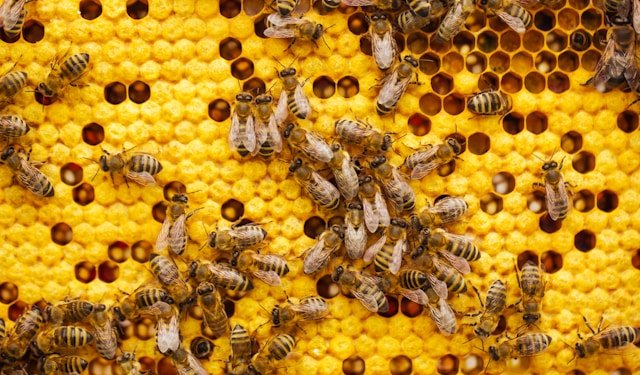
Beekeepers in Azerbaijan are reporting significant losses of bee colonies, raising concerns about honey production, crop pollination, and broader food security risks.
The most severe impact has been recorded in the Saatli District, where local beekeepers say more than half of their colonies have died.
According to producers, the losses are linked primarily to varroa mite infestation, a parasitic disease known globally as one of the most destructive threats to honeybees.
Beekeepers report that abnormal winter conditions led to off-season egg-laying as early as January, weakening colonies and accelerating the spread of the disease. In some cases, only one or two frames remain viable in affected hives, placing winter survival in doubt despite the presence of feed reserves.
Local agricultural officials say the district currently has more than 1,200 registered bee colonies. Under normal conditions, each colony produces 15–20 kilograms of honey per season, but this year’s output is expected to fall sharply due to disease-related losses.
Specialists say the most effective response includes isolating infected colonies and timely treatment against varroa mites. Authorities confirm that preventive and treatment measures are ongoing, but acknowledge that weakened colonies may still struggle to survive the winter.
Beyond honey production, experts warn that large-scale bee losses could reduce pollination of agricultural crops, potentially affecting yields in the coming growing season.
Beekeepers argue that sustained monitoring and early intervention will be critical to limiting further damage.