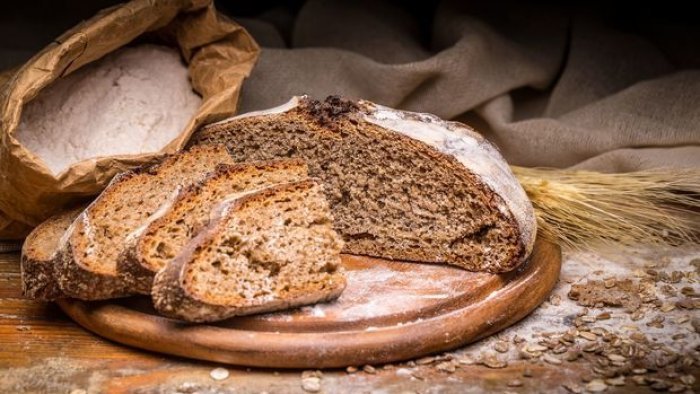
Many consumers prefer rye bread over white wheat bread, believing it provides longer satiety and is better for digestion and blood sugar regulation.
But growing suspicion surrounds the “black bread” sold in supermarkets – and experts say much of it isn’t rye at all.
Some shoppers claim the dark color of these loaves comes not from rye flour, but from food coloring and additives. Bizim.Media consulted specialists to verify the concern.
According to Mahsəti Hüseynova, head of the Food Safety Movement and a healthy-nutrition expert, the allegations are accurate:
“Not all bread marketed as rye is made from rye flour. True rye bread should differ in richness, color, taste, weight, and price. But many varieties sold as ‘black bread’ are produced from wheat flour mixed with colorants, flavor enhancers, and food additives.”
How can shoppers tell real rye bread from imitation?
Hüseynova says consumers must check labels carefully:
“Buy only from trusted producers with clearly marked origins. The label must explicitly state ‘100% rye flour.’ If it simply says ‘made with rye flour’ but the ingredients list wheat flour or colorants, then it is not genuine rye bread.”
Key characteristics of real rye bread
According to the expert, rye bread differs from ordinary wheat bread in several clear ways:
Color: naturally brown to dark brown, with slight tone variations depending on milling and baking.
Weight: small in size but heavier than wheat bread due to higher moisture content and lack of air pockets.
Texture: dense, with little elasticity; slices cut easily but chew harder.
Taste: mildly sour, earthy flavor typical of rye.
Aroma: distinct, strong rye scent.
Price: generally higher than standard bread.
Hüseynova warns that buyers should always read product labels thoroughly:
“When purchasing bread, always check the ingredient list. It is the only reliable way to know what you’re actually eating.”