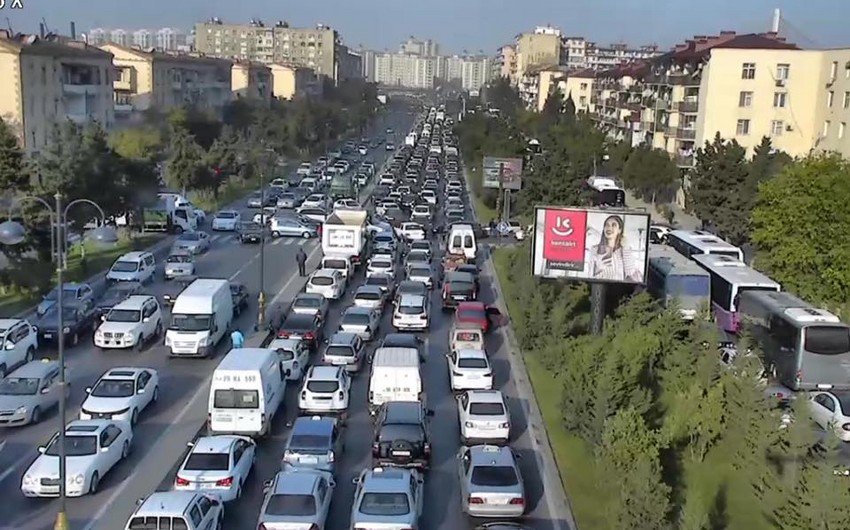
Azerbaijan is considering the introduction of a congestion charge for vehicles entering central areas of Baku, according to a presidential decree signed by President Ilham Aliyev on measures to improve regular passenger transportation by road.
The initiative would allow for the creation of paid access zones in parts of the capital that experience persistent traffic congestion, marking a potential shift in urban transport management.
What Is a Congestion Charge?
A congestion charge is a fee imposed on vehicles entering high-traffic urban zones, typically city centers. The policy is widely used to reduce traffic volume, encourage the use of public transportation and alternative routes, lower emissions, and improve overall traffic flow.
Experts say potential paid zones in Baku could include areas surrounding Icherisheher, the Nizami metro station, and other central districts where congestion is consistently high and technical implementation is feasible.
Possible Pricing and Implementation
While no final decision has been announced, experts estimate that the entry fee could be set at around 5 manats. Authorities are expected to conduct monitoring and assess social and economic impacts before determining a final tariff.
Drivers entering designated zones would either pay the fee or choose alternative routes, helping redistribute traffic away from the city center and reduce congestion levels.
Payment and Enforcement Mechanisms
The system is expected to rely on a combination of automated and conventional payment methods. Entry points to paid zones would be equipped with terminals and monitoring systems to ensure compliance.
Two payment models are being considered:
automatic payment, using electronic cards or vehicle identification systems that register entry without stopping;
manual payment, allowing drivers to pay at designated terminals before proceeding.
International Experience
Congestion charging has been implemented in major cities worldwide. London introduced its system in 2003, with a current daily charge of £15 (approximately 35 manats) for entering the central zone.
Stockholm has operated a similar model since 2007, with variable pricing depending on time of day and traffic levels.
Singapore has applied congestion pricing since 1975, adjusting fees in real time based on traffic conditions.
In Germany, cities use alternative approaches such as environmental zones, paid access areas, and differentiated traffic restrictions.
Urban transport experts note that in all successful cases, congestion charges were introduced alongside major investments in public transport and improved alternative routes.
Excerpt:
Azerbaijan is considering introducing a congestion charge for vehicles entering central areas of Baku, a move aimed at reducing traffic, encouraging public transport use, and improving urban mobility.