Baku, September 26, 2025
A debate over inclusive education in Azerbaijan has exposed a contradiction between political statements and current policy trends.
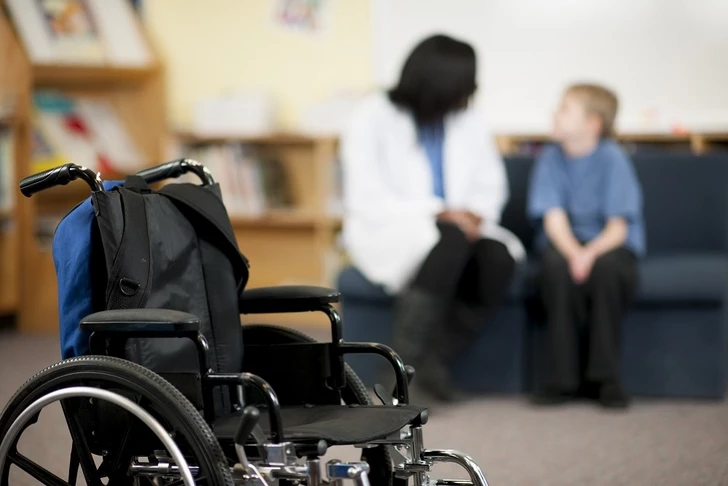
During a Milli Majlis committee session on science and education, MP Jeyhun Mammadov underlined the urgency of expanding access for children with disabilities. He cited statistics showing that out of 60-70,000 such children in the country, only about 12,000 are engaged in education.
Of these, 1,105 study in specialized schools, 2,664 in boarding schools, and 7,750 receive home-based education. According to Mammadov, cited by Oxu,Az, roughly 70 specialized institutions currently operate nationwide, a figure he said is insufficient, particularly in the regions.
“This is a global trend that is developing rapidly. Every 39th child in the world is born with health limitations, and gradually this is becoming visible in Azerbaijan as well. We need to think about expanding the possibilities of inclusive schools,” he said.
Yet the broader trend appears to move in the opposite direction. In recent years, specialized schools have been closing rather than expanding. This summer, for example, Specialized School of Home Education No. 219 shut its doors, with teachers and students reassigned to mainstream schools.
The contradiction highlights a sensitive policy dilemma: while lawmakers stress the importance of broader educational opportunities for children with disabilities, structural changes on the ground suggest a reduction in specialized options.
For parents and educators, the question remains whether integration into general schools will meet children’s specific needs – or leave them with fewer tailored resources

