Baku, Sept. 25, 2025
Azerbaijan is preparing for a sweeping transformation of its public transport system. Starting in 2026, the country will phase in a distance-based fare model, replacing the current flat-rate system, under a presidential decree by Ilham Aliyev.
The reform, known internationally as the “gross contract” model, will be fully operational by 2028. A dedicated state budget fund – the Public Transport Fund – will be created and financed from a share of road taxes levied on every liter of gasoline, diesel, and liquefied gas.
From 2027, the fund will also be topped up through congestion fees for cars entering certain districts of Baku, in line with global efforts to ease traffic pressure in city centers. The collected resources will go toward compensating carriers and subsidizing the stability of the urban transport network.
At the heart of the reform is a differentiated pricing system. Instead of paying a flat fee, passengers will pay according to the distance traveled.
Expert Insight
Transport analyst Elmadin Muradli told Modern.az that the change could either raise or reduce fares, depending on the route:
“It’s premature to predict exact price changes. The principle is fairness – passengers pay for the actual distance traveled. We already see this model at Azerbaijan Railways: the flat 1-manat ticket was replaced with distance-based fares that range from as low as 40 qApik to higher rates on longer routes.”
Muradli stressed that the system’s success depends on modernizing the bus fleet and introducing cashless, electronic payment systems.
“The biggest challenge is older buses, where it’s technically impossible to install the equipment needed for differential pricing. This issue will be solved alongside fleet renewal. It’s also important to design special mechanisms for students, pensioners, and other groups entitled to concessions.”
Toward an Integrated System
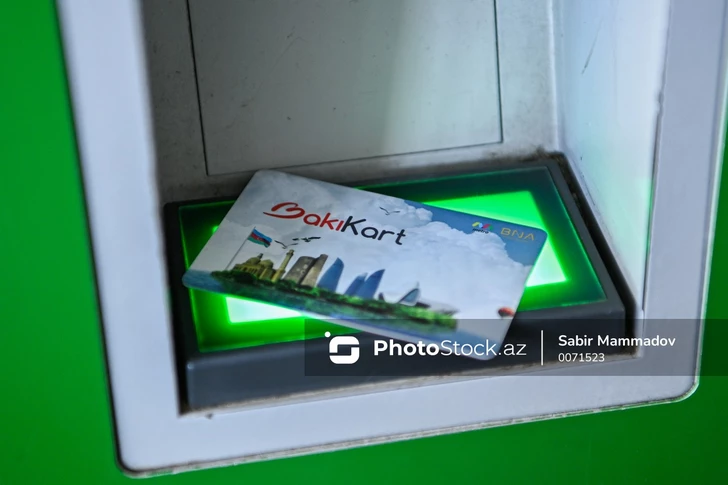
The reform also envisions monthly, weekly, and annual passes to make commuting cheaper for regular riders. A unified ticketing system across buses, the metro, and other modes of transport is also on the table.
In practice, a passenger could start a journey on a bus from the Bina settlement, transfer at the Koroğlu transport hub, continue by metro, and complete the entire trip under a single fare, valid for a set period such as one hour.
Such integration, experts say, could encourage more people to abandon private cars in favor of public transport – but will require seamless coordination across the entire system.