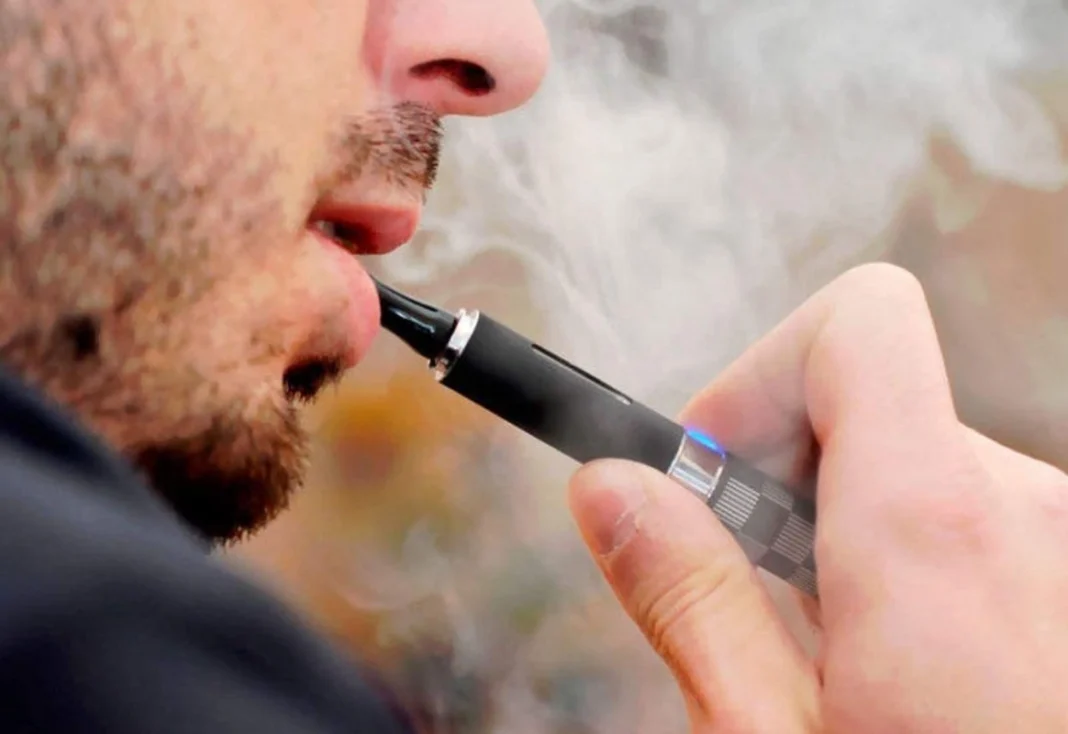
Azerbaijan is moving toward a comprehensive ban on electronic cigarettes, including their import, export, production, storage, wholesale and retail sale, as well as their use.
The proposed restrictions are outlined in draft amendments to the Law on Tobacco and Tobacco Products, which were discussed at a joint meeting of the Milli Majlis committees on agrarian policy, economic policy, industry and entrepreneurship, and labor and social policy.
.
Under the draft legislation, electronic cigarettes and their components – including cartridges, refill bottles and liquids – would be removed entirely from legal circulation.
The bill also introduces updated legal definitions, clearly separating electronic cigarettes from heated tobacco products. Heated tobacco products, which contain tobacco and generate a nicotine-containing aerosol through heating rather than combustion, would not be classified as electronic cigarettes.
Electronic cigarettes, by contrast, are defined as products intended for inhalation of nicotine-containing or nicotine-free vapor, excluding food products, tobacco products, medicines and medical devices.
The proposed changes would also affect tax regulation. Amendments to Azerbaijan’s Tax Code would remove provisions related to excise duties on disposable electronic cigarettes and vaping liquids. Currently, excise taxes are set at 2 manats per device and 100 manats per liter of e-liquid.
Advertising restrictions form another key part of the package. The draft law предусматривает a full ban on advertising electronic cigarettes, including nicotine-free versions. Azerbaijan already prohibits advertising of tobacco products and related accessories, but lawmakers say the new rules are intended to close existing loopholes.
During parliamentary discussions, lawmakers voiced concern over the growing popularity of electronic cigarettes among young people and women. Several deputies pointed to aggressive marketing practices, including fruit flavors, colorful packaging and cartoon imagery, which they said are designed to attract children.
Representatives of the Azerbaijan Food Safety Agency warned that electronic cigarettes may pose serious health risks. Citing international data, officials noted links between vaping and lung disease, including fatal cases reported abroad.
According to figures cited during the discussions, electronic cigarettes are currently fully banned in 46 countries, while partial bans or strict restrictions are in place in 83 others. Lawmakers noted that the number of countries introducing bans has increased significantly in recent months.

